




Process layout
This solution utilizes 2D Vision, Deep Learning (Instance Segmentation), Reinforcement Learning (RL), and Motion Planning (OMPL) algorithms to rapidly recognize and sort recyclable plastics on a moving conveyor belt.
The system features high-performance vision capable of quickly identifying objects even with highly irregular shapes. Through advanced motion planning, it executes sorting tasks with exceptional speed and precision.
Components
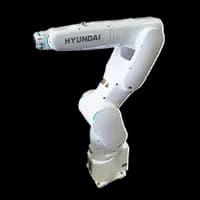
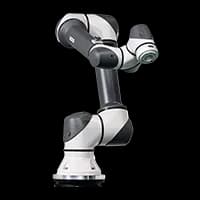
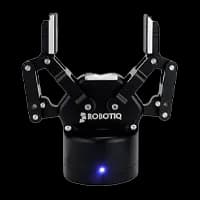
| Robot |
|
|---|
Workflow
| STEP 1. | Input of mixed waste piles. |
|---|---|
| STEP 2. | Recognition of targeted plastic objects. |
| STEP 3. | Picking and discharging the identified plastic products. |
Features
Effortless Robot Teaching
Teaching Automation: Shortens setup time by automating vision calibration and robot teaching through deep learning.
Operational Flexibility: Eliminates the need for manual recalibration or re-teaching even when working conditions change.
Superior Recognition: High-performance detection of various plastic shapes using deep learning-based object recognition.
Self-Learning Optimization: Automatically learns the optimal picking position tailored to the specific shape of each product.
Rapid Return on Investment (ROI)
High-Speed Performance: Capable of ultra-fast operations at a rate of approximately 1 pick per second.
Operational Optimization: Reduces maintenance costs and optimizes paths through continuous learning, further shortening cycle times.
Automatic Compensation: Maintains accuracy by automatically correcting movements even if the layout shifts or the robot's mechanical precision deviates due to aging.
Minimized Downtime: Ensures stable productivity by reducing system failures and manual interventions.
Results
| Client Feedback |
|---|
Unauthorized copying or reproduction of any content on Marosol may violate the Unfair Competition Prevention Act and Copyright Act.
Recommended Solution

Line-Side Product Transport using OMRON LD-60/90
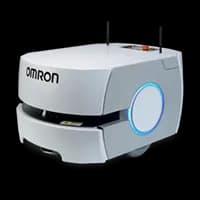
This solution implements in-line product transport using OMRON's LD-60/90. OMRON's LD-60/90 mobile robots are Autonomous Mobile Robots (AMRs) that create their own maps and navigate autonomously along optimal paths according to real-time changes on-site. By mounting a conveyor on top of the LD-60/90, it can perform automated transport tasks, such as loading or unloading goods from existing conveyor systems. A total of nine LD mobile robots were used, and their flow is managed by an advanced fleet management system (FLOW, Fleet Operations Workspace). This solution, utilizing roller conveyors, enables more flexible production within the line.

Shape Recognition and Sorting Automation using Neuromeka Indy7 and IndyEye
This process is a demo for shape recognition and product sorting automation utilizing 2D vision and a deep learning algorithm (Instance Segmentation). Because it performs tasks by recognizing product positions and types in real-time using 2D vision, it can automatically recognize and work even if product positions or types change.

Doosan Robotics H-Series Collaborative Robot Palletizing System
This solution is a robot-integrated automatic stacking system utilizing the Doosan Robotics H-Series collaborative robots (H2017, H2515). As a modularized palletizing solution optimized by Doosan Robotics, it allows for easy and convenient implementation through an intuitive dedicated software interface. Project Background & Objectives Automation of palletizing tasks. Mitigation of safety accident risks associated with handling heavy loads. Space-constrained environments where traditional automation is difficult to install. Reducing the initial investment burden for companies adopting automation.
Process layout
This solution utilizes 2D Vision, Deep Learning (Instance Segmentation), Reinforcement Learning (RL), and Motion Planning (OMPL) algorithms to rapidly recognize and sort recyclable plastics on a moving conveyor belt.
The system features high-performance vision capable of quickly identifying objects even with highly irregular shapes. Through advanced motion planning, it executes sorting tasks with exceptional speed and precision.
Components
| Robot |
|
|---|
Workflow
| STEP 1. | Input of mixed waste piles. |
|---|---|
| STEP 2. | Recognition of targeted plastic objects. |
| STEP 3. | Picking and discharging the identified plastic products. |
Features
Effortless Robot Teaching
Teaching Automation: Shortens setup time by automating vision calibration and robot teaching through deep learning.
Operational Flexibility: Eliminates the need for manual recalibration or re-teaching even when working conditions change.
Superior Recognition: High-performance detection of various plastic shapes using deep learning-based object recognition.
Self-Learning Optimization: Automatically learns the optimal picking position tailored to the specific shape of each product.
Rapid Return on Investment (ROI)
High-Speed Performance: Capable of ultra-fast operations at a rate of approximately 1 pick per second.
Operational Optimization: Reduces maintenance costs and optimizes paths through continuous learning, further shortening cycle times.
Automatic Compensation: Maintains accuracy by automatically correcting movements even if the layout shifts or the robot's mechanical precision deviates due to aging.
Minimized Downtime: Ensures stable productivity by reducing system failures and manual interventions.
Results
| Client Feedback |
|---|
Unauthorized copying or reproduction of any content on Marosol may violate the Unfair Competition Prevention Act and Copyright Act.
Recommended Solution
Line-Side Product Transport using OMRON LD-60/90
This solution implements in-line product transport using OMRON's LD-60/90. OMRON's LD-60/90 mobile robots are Autonomous Mobile Robots (AMRs) that create their own maps and navigate autonomously along optimal paths according to real-time changes on-site. By mounting a conveyor on top of the LD-60/90, it can perform automated transport tasks, such as loading or unloading goods from existing conveyor systems. A total of nine LD mobile robots were used, and their flow is managed by an advanced fleet management system (FLOW, Fleet Operations Workspace). This solution, utilizing roller conveyors, enables more flexible production within the line.
Shape Recognition and Sorting Automation using Neuromeka Indy7 and IndyEye
This process is a demo for shape recognition and product sorting automation utilizing 2D vision and a deep learning algorithm (Instance Segmentation). Because it performs tasks by recognizing product positions and types in real-time using 2D vision, it can automatically recognize and work even if product positions or types change.
Doosan Robotics H-Series Collaborative Robot Palletizing System
This solution is a robot-integrated automatic stacking system utilizing the Doosan Robotics H-Series collaborative robots (H2017, H2515). As a modularized palletizing solution optimized by Doosan Robotics, it allows for easy and convenient implementation through an intuitive dedicated software interface. Project Background & Objectives Automation of palletizing tasks. Mitigation of safety accident risks associated with handling heavy loads. Space-constrained environments where traditional automation is difficult to install. Reducing the initial investment burden for companies adopting automation.