




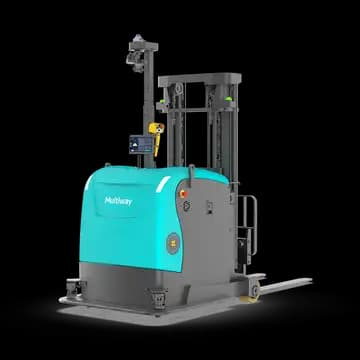
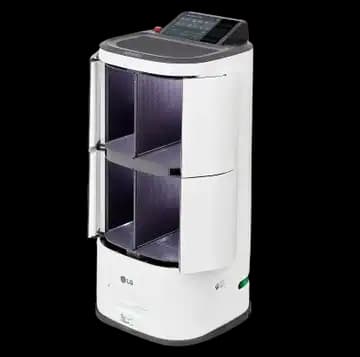


Process layout
Project Overview
This video presents an autonomous mobile robot (AMR) logistics transport system based on SLAM (Simultaneous Localization and Mapping). It provides an optimal solution for logistics and precision repetitive tasks on production sites by implementing autonomous unmanned transport and loading. Key features include Laser Sensing-based self-mapping and optimal path securing with safety through 2D/3D cameras for object recognition and obstacle identification. The system can be equipped with various applications such as collaborative robots (Co-Bots), roller conveyors, and Jack-Up systems.
What is SLAM (Simultaneous Localization and Mapping)? It is a core technology for autonomous driving where a robot creates an accurate map of its work environment using only its onboard autonomous sensors while navigating the workspace.
Project Background & Objectives
Accurate and repetitive logistics tasks using autonomous robots.
Components
| Robot |
|
|---|
Workflow
| STEP 1. | Scenario Configuration: Configure transport and loading scenarios according to the work environment. |
|---|---|
| STEP 2. | System Integration: Install and connect the system to the site. |
| STEP 3. | SLAM Mapping: Create a work map using the AMR’s built-in SLAM function. |
| STEP 4. | Site Application: Implement the system for operational use. |
Features
Operational Efficiency and Safety
Market Proven AMR: Secured stability with the world's No. 1 market share in autonomous mobile robots.
Efficient Space Utilization and Optimal Logistics Routing: Applied SLAM-based 3D mapping and Digital Twin CCTV monitoring.
Max 12–18 Months ROI
Labor replacement effect for loading and transport tasks.
Labor costs (including incidental expenses) X 2 Shifts = 90–100 million KRW per year.
Flexibility in human resource management and operations.
Warranty Period: 1 year provided.
Results
| Key Benefits | Reduced operational losses + reduced accidents = increased opportunity cost
|
|---|---|
| Client Feedback | "Thanks to the outstanding performance of the roller conveyor robot, we were able to configure stable and accurate logistics scenarios."
|
Unauthorized copying or reproduction of any content on Marosol may violate the Unfair Competition Prevention Act and Copyright Act.
Recommended Solution

Indoor Logistics Transport and Loading Using VisionNav VNPA15🏗️
Process Overview This case study showcases a logistics automation solution that uses VisionNav's VNPA15 autonomous mobile robot (AMR) to automate the transport and loading/stacking of packaged products in indoor material-handling operations. Built on robust safety functions, the solution minimizes changes to existing workflows while enabling unattended load/unload tasks, and provides effective monitoring and control of real-time operations.

AMR Logistics Robots Introduced to Manufacturing Factory ✨ Logistics Automation that Quickly Resolves Even 1 Ton of Waste Derbris (2 KUKA KMP 1500P Logistics Robots)
Automated the transport of waste materials weighing up to 1 ton, preventing material drops

Omron AMR Logistics Robot Successfully Automates Raw Material Transport to Boost Operational Efficiency
Project Overview This implementation case features a large-scale circular raw material transport solution utilizing Omron AMR Logistics robots. Previously, raw material transport involved workers manually rolling large circular containers, which created issues with fatigue and efficiency, necessitating an automation solution. This project aimed to automate the movement of raw materials by introducing Omron AMR Logistics robots, thereby reducing worker burden and significantly improving operational efficiency. Project Background & Objectives When raw materials arrived in large containers, the manual transport process by workers involved high labor intensity and the risk of injury. Furthermore, productivity decreased due to time consumption and operational imbalances. The objective of this project is to implement an AMR-based automation solution to resolve these issues and achieve efficient logistics operations.
Process layout
Project Overview
This video presents an autonomous mobile robot (AMR) logistics transport system based on SLAM (Simultaneous Localization and Mapping). It provides an optimal solution for logistics and precision repetitive tasks on production sites by implementing autonomous unmanned transport and loading. Key features include Laser Sensing-based self-mapping and optimal path securing with safety through 2D/3D cameras for object recognition and obstacle identification. The system can be equipped with various applications such as collaborative robots (Co-Bots), roller conveyors, and Jack-Up systems.
What is SLAM (Simultaneous Localization and Mapping)? It is a core technology for autonomous driving where a robot creates an accurate map of its work environment using only its onboard autonomous sensors while navigating the workspace.
Project Background & Objectives
Accurate and repetitive logistics tasks using autonomous robots.
Components
| Robot |
|
|---|
Workflow
| STEP 1. | Scenario Configuration: Configure transport and loading scenarios according to the work environment. |
|---|---|
| STEP 2. | System Integration: Install and connect the system to the site. |
| STEP 3. | SLAM Mapping: Create a work map using the AMR’s built-in SLAM function. |
| STEP 4. | Site Application: Implement the system for operational use. |
Features
Operational Efficiency and Safety
Market Proven AMR: Secured stability with the world's No. 1 market share in autonomous mobile robots.
Efficient Space Utilization and Optimal Logistics Routing: Applied SLAM-based 3D mapping and Digital Twin CCTV monitoring.
Max 12–18 Months ROI
Labor replacement effect for loading and transport tasks.
Labor costs (including incidental expenses) X 2 Shifts = 90–100 million KRW per year.
Flexibility in human resource management and operations.
Warranty Period: 1 year provided.
Results
| Key Benefits | Reduced operational losses + reduced accidents = increased opportunity cost
|
|---|---|
| Client Feedback | "Thanks to the outstanding performance of the roller conveyor robot, we were able to configure stable and accurate logistics scenarios."
|
Unauthorized copying or reproduction of any content on Marosol may violate the Unfair Competition Prevention Act and Copyright Act.
Recommended Solution
Indoor Logistics Transport and Loading Using VisionNav VNPA15🏗️
Process Overview This case study showcases a logistics automation solution that uses VisionNav's VNPA15 autonomous mobile robot (AMR) to automate the transport and loading/stacking of packaged products in indoor material-handling operations. Built on robust safety functions, the solution minimizes changes to existing workflows while enabling unattended load/unload tasks, and provides effective monitoring and control of real-time operations.
AMR Logistics Robots Introduced to Manufacturing Factory ✨ Logistics Automation that Quickly Resolves Even 1 Ton of Waste Derbris (2 KUKA KMP 1500P Logistics Robots)
Automated the transport of waste materials weighing up to 1 ton, preventing material drops
Omron AMR Logistics Robot Successfully Automates Raw Material Transport to Boost Operational Efficiency
Project Overview This implementation case features a large-scale circular raw material transport solution utilizing Omron AMR Logistics robots. Previously, raw material transport involved workers manually rolling large circular containers, which created issues with fatigue and efficiency, necessitating an automation solution. This project aimed to automate the movement of raw materials by introducing Omron AMR Logistics robots, thereby reducing worker burden and significantly improving operational efficiency. Project Background & Objectives When raw materials arrived in large containers, the manual transport process by workers involved high labor intensity and the risk of injury. Furthermore, productivity decreased due to time consumption and operational imbalances. The objective of this project is to implement an AMR-based automation solution to resolve these issues and achieve efficient logistics operations.