




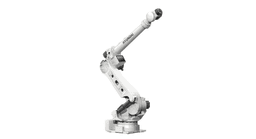
Curious about the robots used?
Process layout
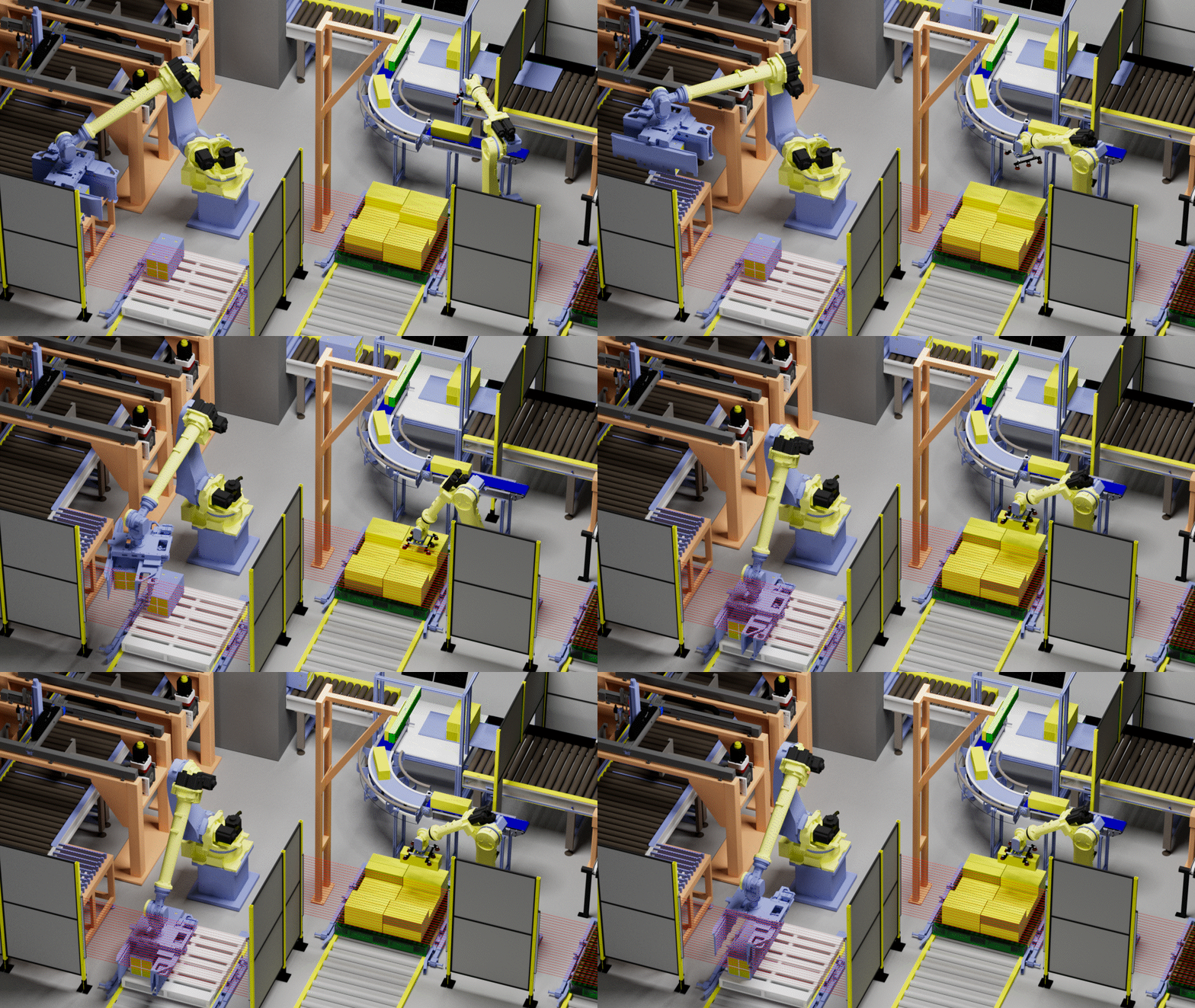
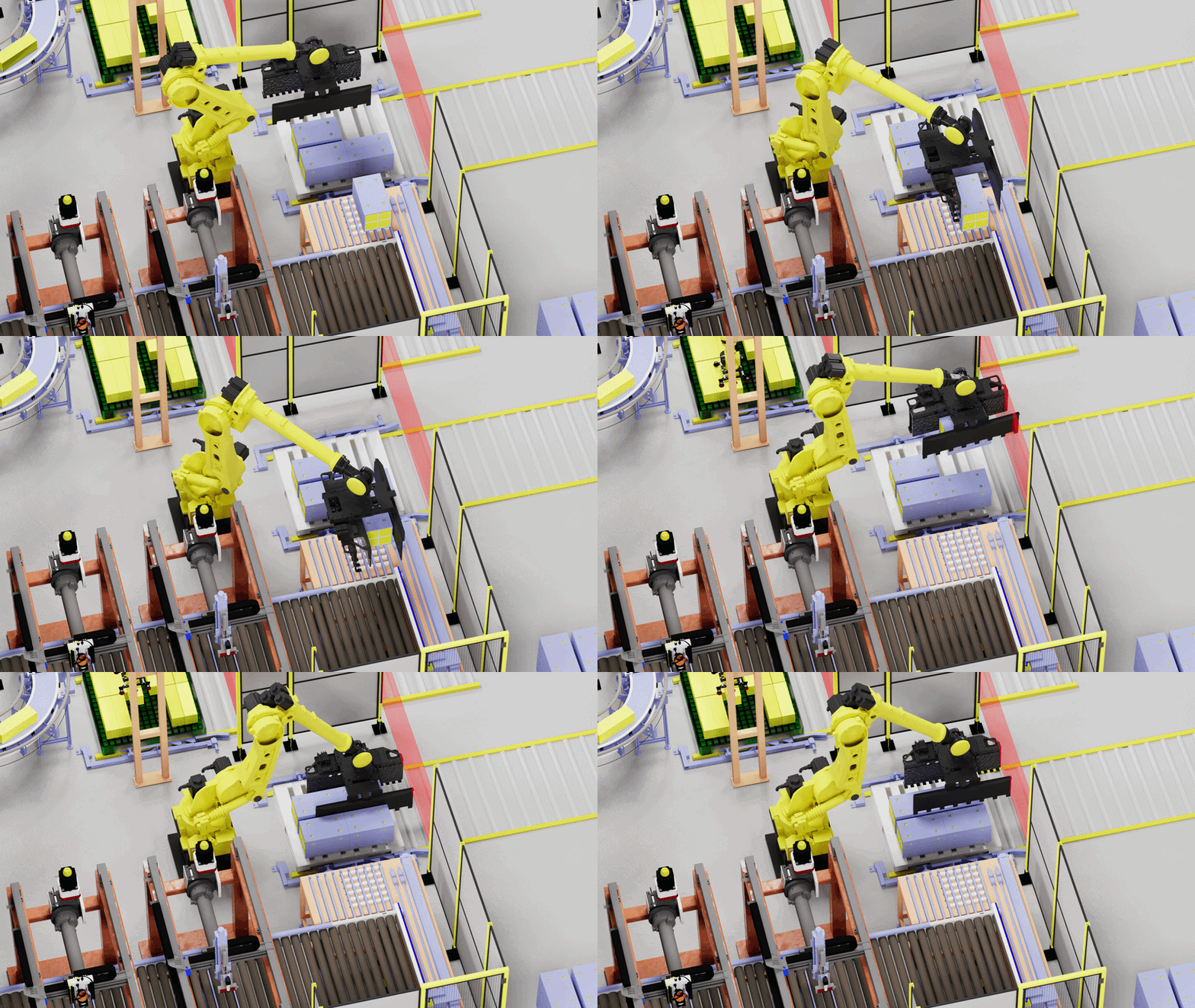
This solution is an automation system for the Assembly process of ship carrier modules, automating most processes—excluding manual Assembly —by utilizing Industry robots and Vision systems.
The process consists of automated equipment for the bending, punching, and oil coating processes of stainless steel covers, and a robot-based automatic handling system is applied from raw material input to finished product stacking to ensure a stable production flow.
In addition, by applying an automatic depalletizing and palletizing system, we automated Logistics movement between processes and minimized repetitive tasks for workers.
This automated line was built with the goal of securing a stable cycle time (C/T) to achieve target production volume and reducing production costs by minimizing manpower .
 |  |
 |  |
 |  |
 |  |
Components
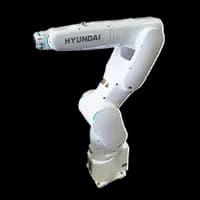
| Robot | HDR80L-26, HDR160L-30 |
|---|---|
| Peripherals | Case Marking M/C (Laser Marking), Carrier Loading M/C, Case Press M/C (Folding Forming), Case Punching M/C (Precision Punching), Oil Coat M/C (Rust-preventive Oil Application) |
Workflow
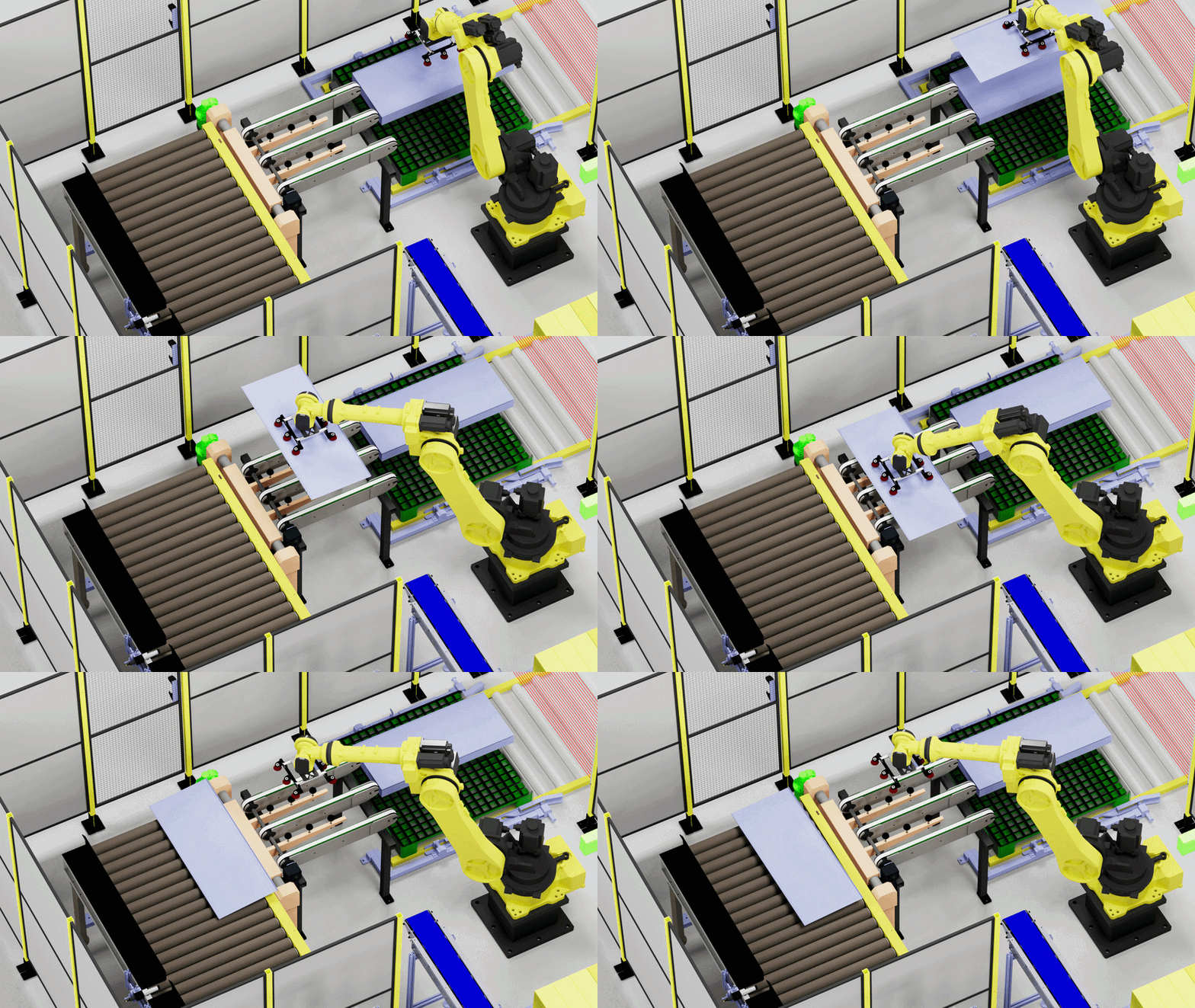
| STEP 1. | An Industry robot unloads stainless steel covers fed onto a pallet into an inversion unit |
|---|---|
| STEP 2. | Perform position alignment in the alignment unit before insertion into the Assembly table |
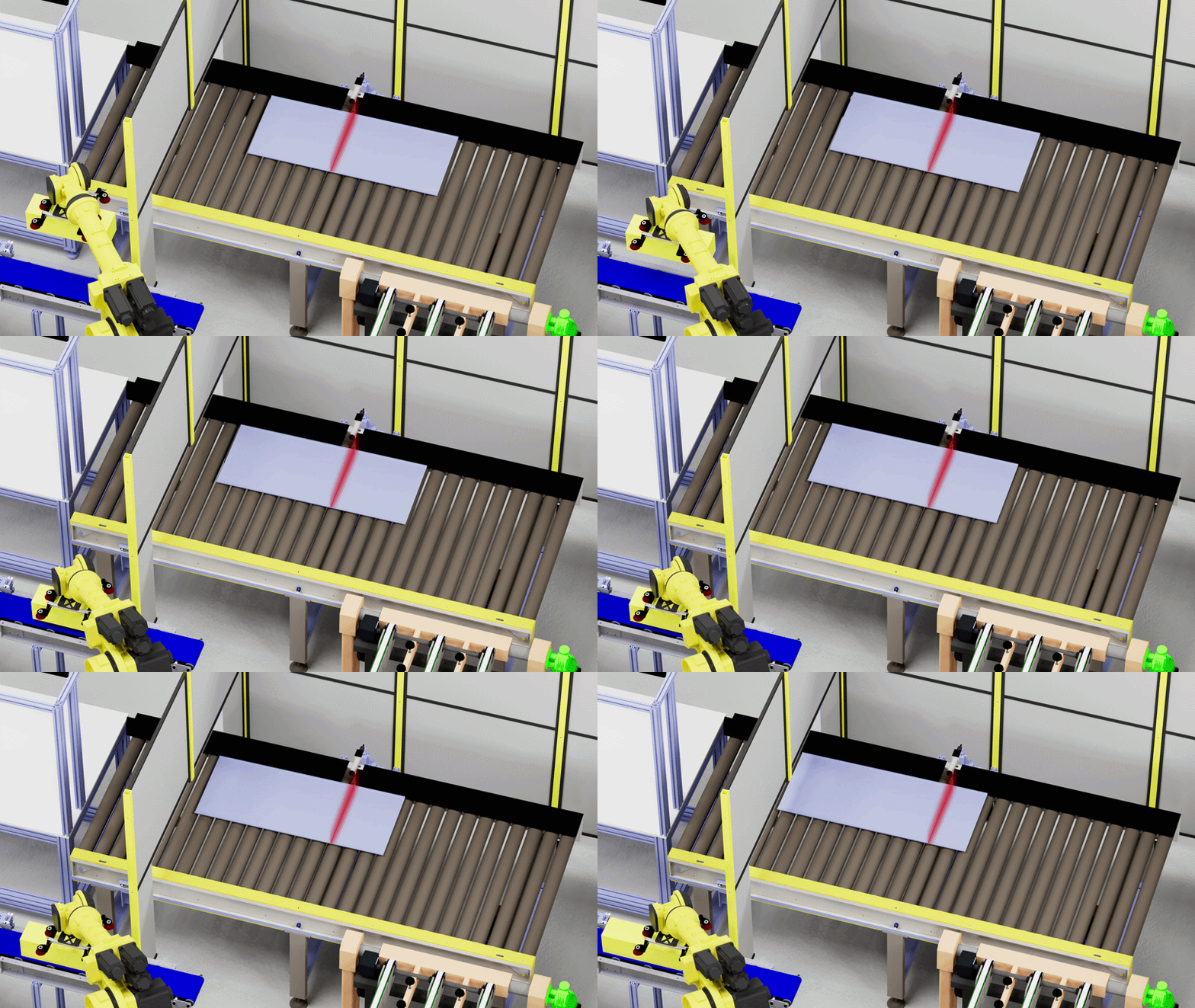
| STEP 3. | Serial number engraving on stainless steel cover using laser marking equipment |
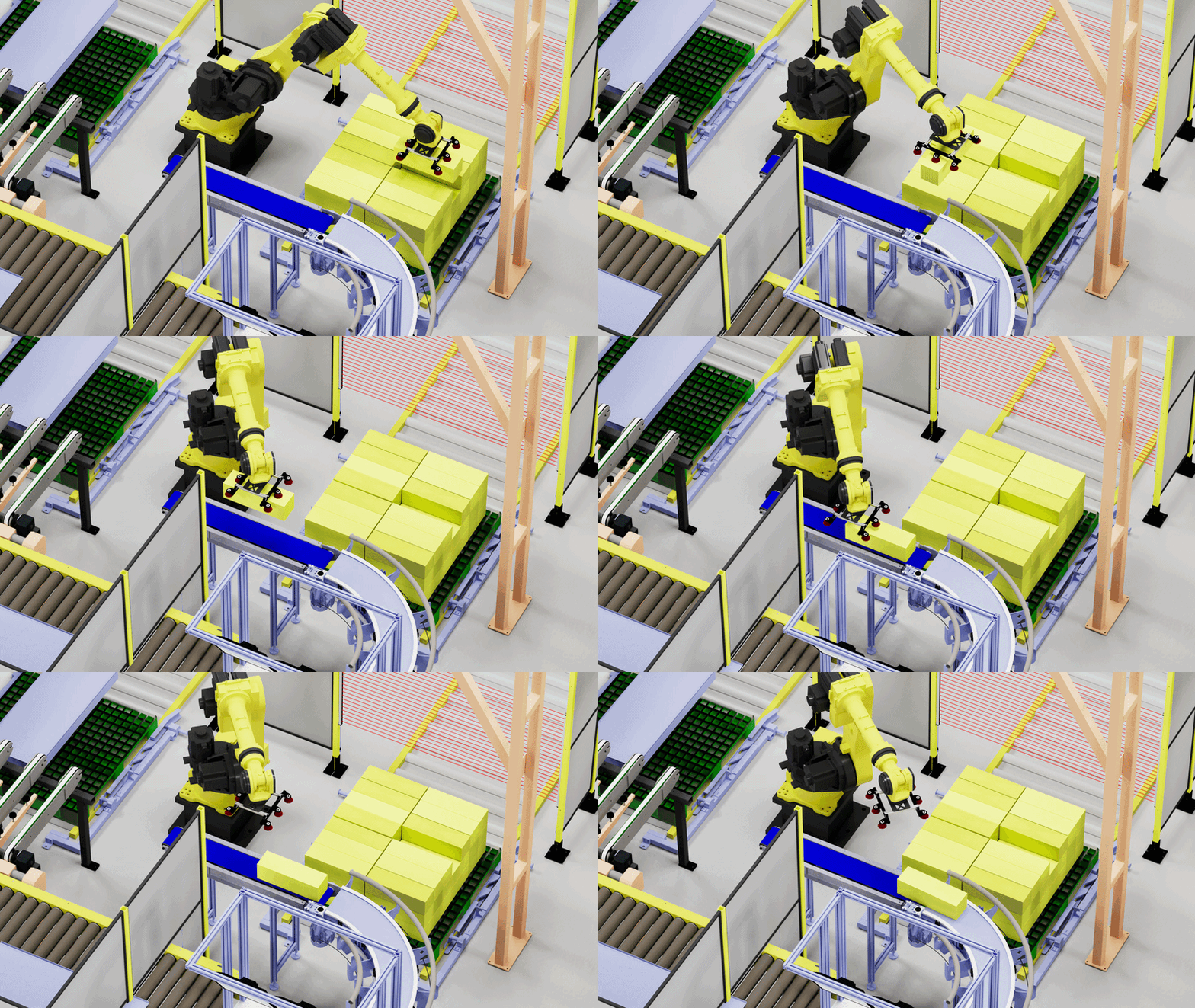
| STEP 4. | An Industry robot depalletizes carriers fed onto a pallet onto a conveyor belt |
| STEP 5. | Stainless steel covers and bodies are automatically fed to the Assembly table via a conveyor belt |
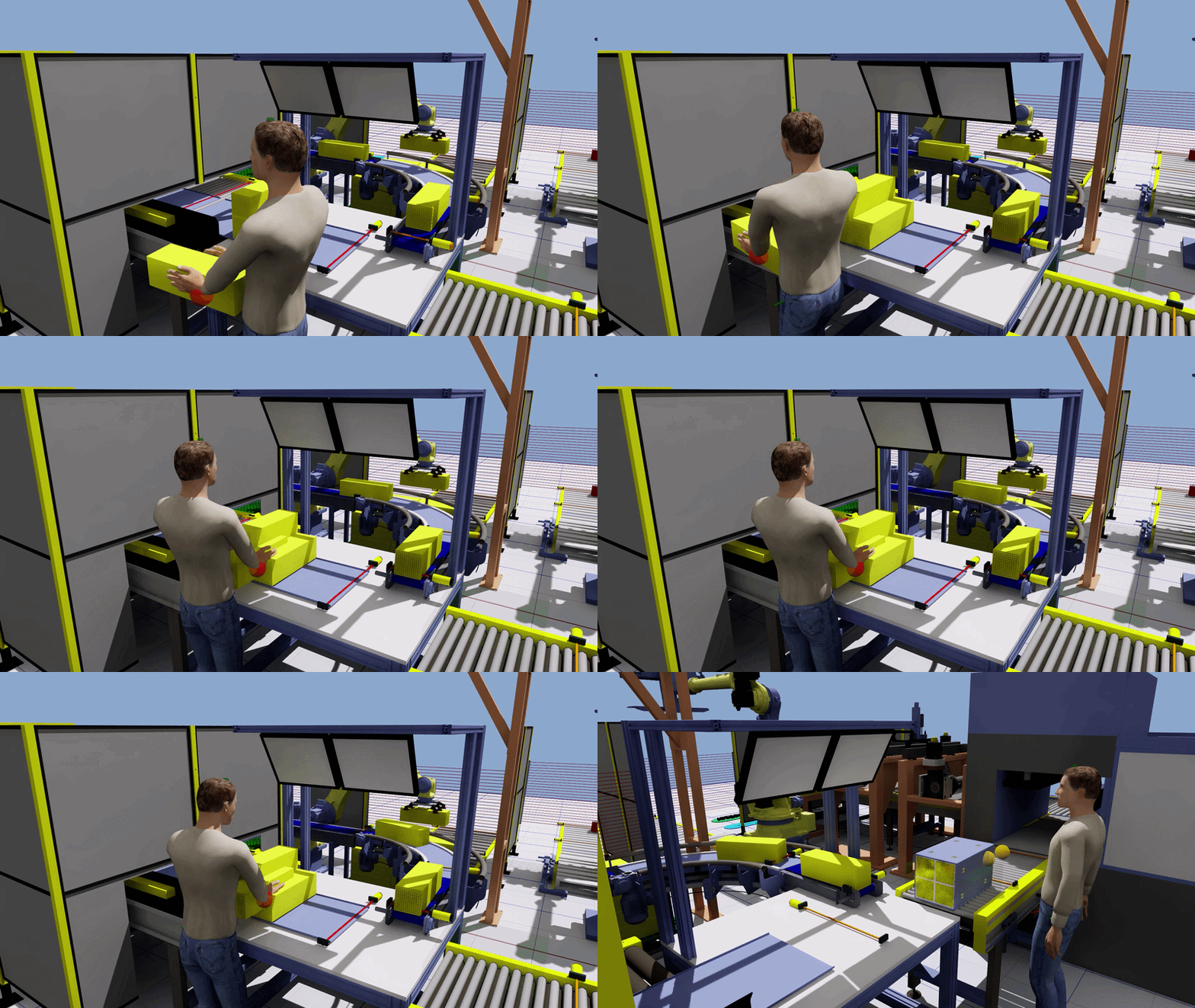
| STEP 6. | The operator manually Assembly the carrier module into a 4-part structure on the supplied cover and then transfers it to the Case Press M/C |
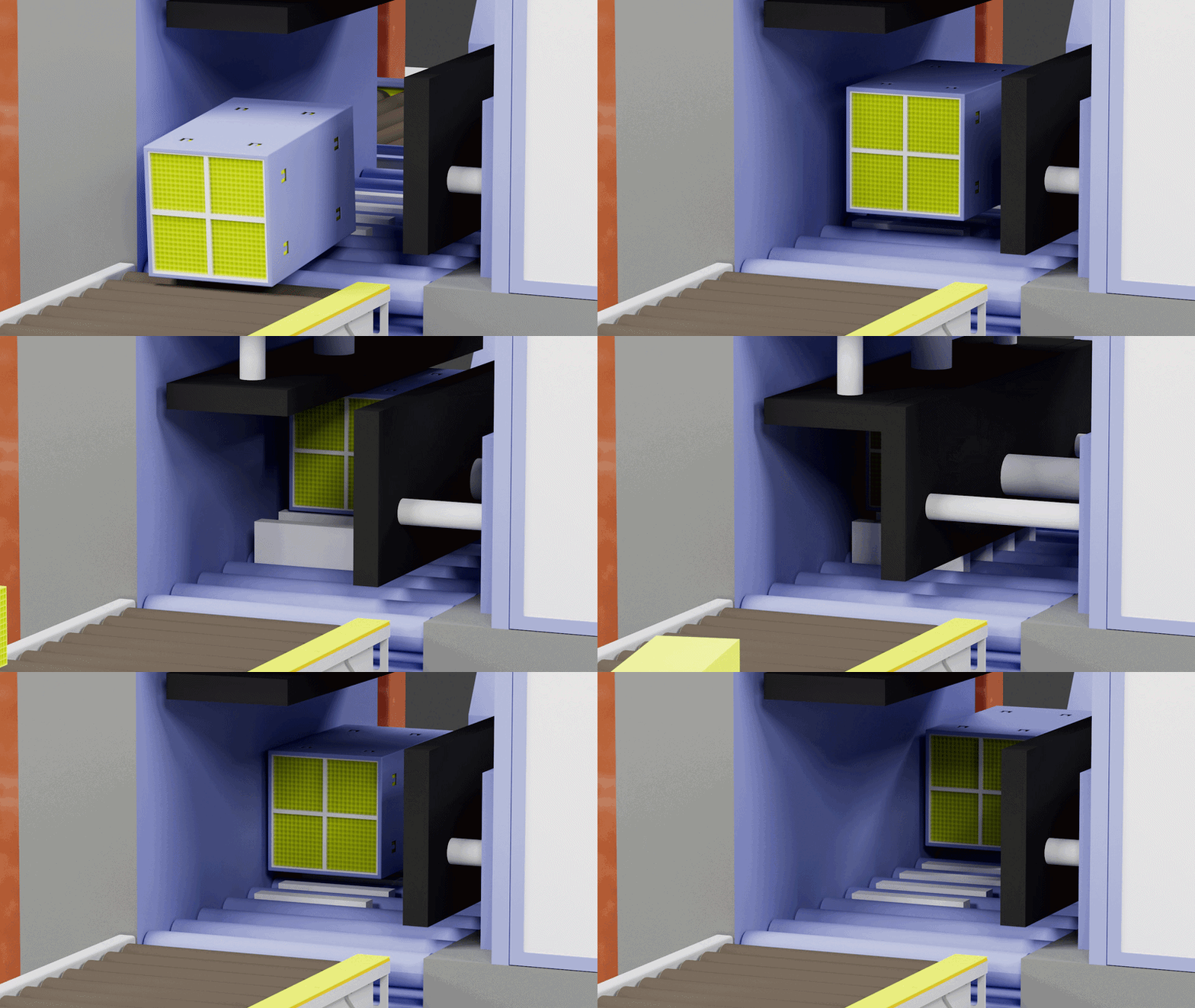
| STEP 7. | The case press M/C performs the upper and side cover folding and forming operation |
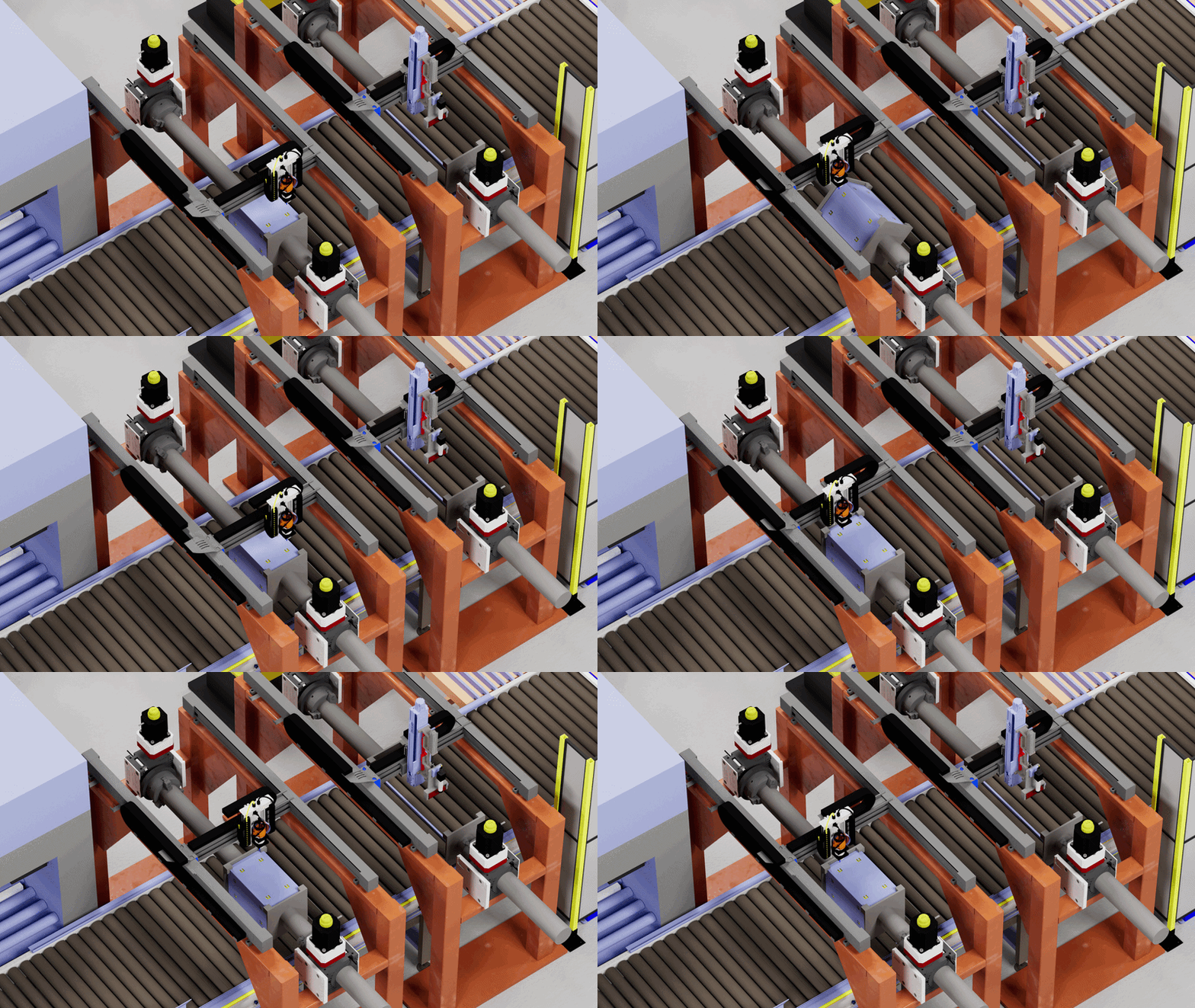
| STEP 8. | Realign and fix the position of the product ejected after molding is complete |
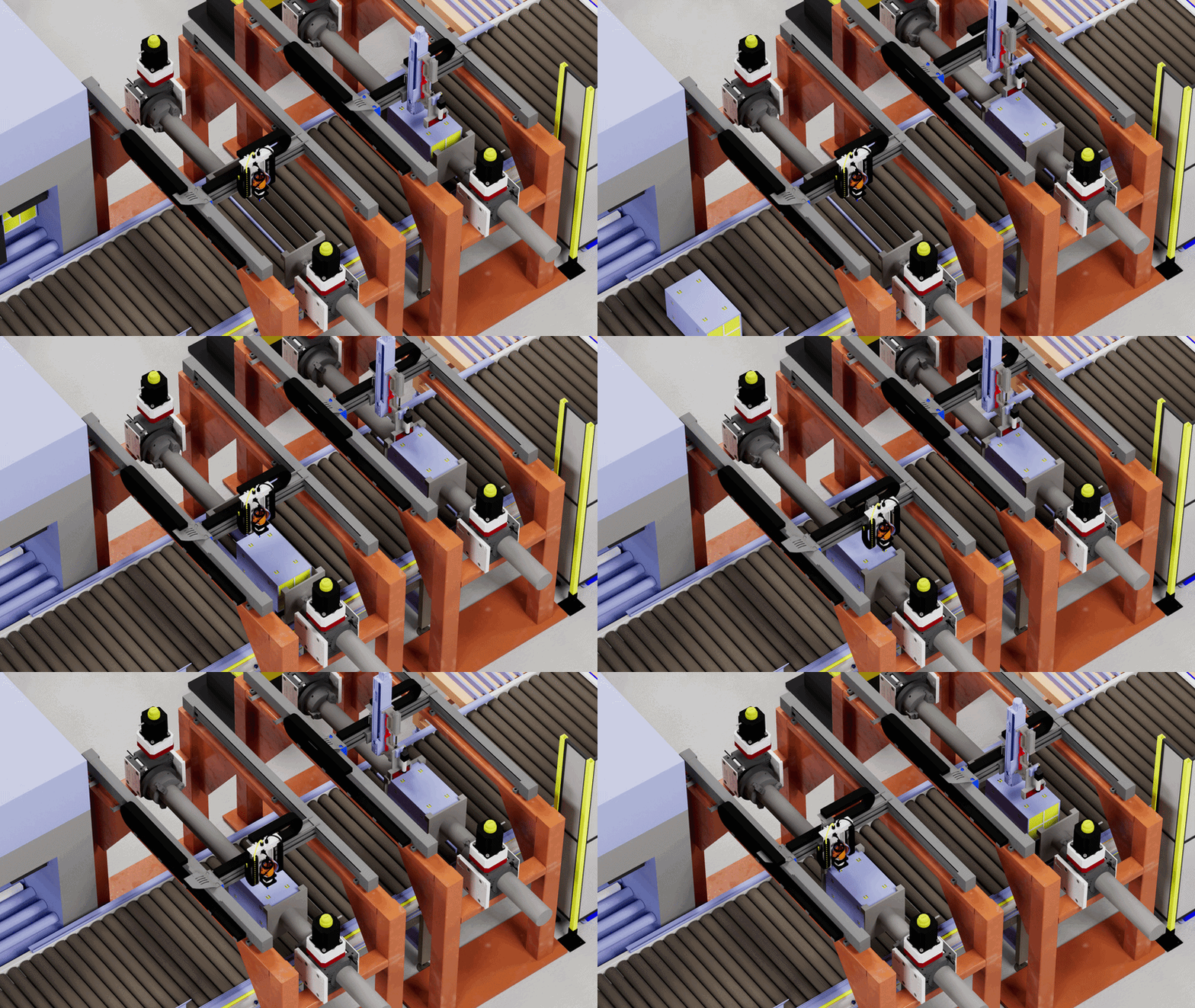
| STEP 9. | The 2D Vision system identifies the punching point and proceeds with precision side punching |
| STEP 10. | Automatic coating equipment automatically applies rust-preventive oil to the cover surface with a uniform thickness |
| STEP 11. | Industry robots palletize finished products according to pallet patterns and transfer them to the packaging process after full stacking. |
Features
- Emulator-based automation concept pre-validation process
Prior to formal implementation, we performed 3D simulations based on the actual production environment (digital twin) to pre-verify the process layout and robot operation.
Through this, it was possible to establish a stable automation system by verifying the cycle time (C/T) required to achieve target production volume in advance and analyzing inter-process interference and bottlenecks beforehand.
- Industry robot-based automatic handling system
By utilizing Industry robots from raw material input to finished product palletizing, we minimized repetitive tasks for workers and secured a stable production flow.
- Vision system-based precision punching process
By utilizing a Vision system to automatically recognize the punching position, we have improved punching precision and addressed product position deviations.
Results
| Key Benefits | We significantly improved production time by shortening the existing cycle time from 4 minutes to 2.5 minutes, and ensured process stability by reducing downtime.
Consequently, the production rate per hour (UPH) increased by approximately 60%, and we secured the production capacity to achieve a target daily production of 500 units.
Through a robot-based automation system, we reduced the workforce by approximately 60% compared to the existing system, thereby securing production labor cost savings. |
|---|---|
| Client Feedback | Through pre-verification based on 3D simulation, we were able to predict various variables that could occur in the process and prepare countermeasures. Furthermore, following the implementation of the automation system, we were able to significantly reduce errors and material drop issues that previously occurred in manual processes, while simultaneously achieving savings in production time and costs, thereby making a significant contribution to achieving our production targets. |
Unauthorized copying or reproduction of any content on Marosol may violate the Unfair Competition Prevention Act and Copyright Act.
Recommended Solution

A House Built by Robots?! Space Factory Automates Modular Housing Window Assembly! 🛠️🏠
This case marks Korea’s first automated solution for modular housing window assembly, combining a KUKA industrial robot, a custom-designed robotic gripper, and a High Payload Track Motion system.

Automated automotive battery palletizing: Safely stack batteries weighing over 60kg with the YASKAWA GP225 💪
This solution automates the repalletizing process for Atlas batteries produced by Hankook & Company for export.

Successfully automated the Samlak heat treatment loading process!🙌 We even built a perfect jig design. (ft. Hyundai Robotics Industrial Robot)
This project involved the introduction of automated loading/unloading to ensure uniform heat treatment of the carrier mid-planet, a key component of automotive transmissions
Process layout
This solution is an automation system for the Assembly process of ship carrier modules, automating most processes—excluding manual Assembly —by utilizing Industry robots and Vision systems.
The process consists of automated equipment for the bending, punching, and oil coating processes of stainless steel covers, and a robot-based automatic handling system is applied from raw material input to finished product stacking to ensure a stable production flow.
In addition, by applying an automatic depalletizing and palletizing system, we automated Logistics movement between processes and minimized repetitive tasks for workers.
This automated line was built with the goal of securing a stable cycle time (C/T) to achieve target production volume and reducing production costs by minimizing manpower .
| |
| |
| |
| |
Components
| Robot | HDR80L-26, HDR160L-30 |
|---|---|
| Peripherals | Case Marking M/C (Laser Marking), Carrier Loading M/C, Case Press M/C (Folding Forming), Case Punching M/C (Precision Punching), Oil Coat M/C (Rust-preventive Oil Application) |
Workflow
| STEP 1. | An Industry robot unloads stainless steel covers fed onto a pallet into an inversion unit |
|---|---|
| STEP 2. | Perform position alignment in the alignment unit before insertion into the Assembly table |
| STEP 3. | Serial number engraving on stainless steel cover using laser marking equipment |
| STEP 4. | An Industry robot depalletizes carriers fed onto a pallet onto a conveyor belt |
| STEP 5. | Stainless steel covers and bodies are automatically fed to the Assembly table via a conveyor belt |
| STEP 6. | The operator manually Assembly the carrier module into a 4-part structure on the supplied cover and then transfers it to the Case Press M/C |
| STEP 7. | The case press M/C performs the upper and side cover folding and forming operation |
| STEP 8. | Realign and fix the position of the product ejected after molding is complete |
| STEP 9. | The 2D Vision system identifies the punching point and proceeds with precision side punching |
| STEP 10. | Automatic coating equipment automatically applies rust-preventive oil to the cover surface with a uniform thickness |
| STEP 11. | Industry robots palletize finished products according to pallet patterns and transfer them to the packaging process after full stacking. |
Features
- Emulator-based automation concept pre-validation process
Prior to formal implementation, we performed 3D simulations based on the actual production environment (digital twin) to pre-verify the process layout and robot operation.
Through this, it was possible to establish a stable automation system by verifying the cycle time (C/T) required to achieve target production volume in advance and analyzing inter-process interference and bottlenecks beforehand.
- Industry robot-based automatic handling system
By utilizing Industry robots from raw material input to finished product palletizing, we minimized repetitive tasks for workers and secured a stable production flow.
- Vision system-based precision punching process
By utilizing a Vision system to automatically recognize the punching position, we have improved punching precision and addressed product position deviations.
Results
| Key Benefits | We significantly improved production time by shortening the existing cycle time from 4 minutes to 2.5 minutes, and ensured process stability by reducing downtime.
Consequently, the production rate per hour (UPH) increased by approximately 60%, and we secured the production capacity to achieve a target daily production of 500 units.
Through a robot-based automation system, we reduced the workforce by approximately 60% compared to the existing system, thereby securing production labor cost savings. |
|---|---|
| Client Feedback | Through pre-verification based on 3D simulation, we were able to predict various variables that could occur in the process and prepare countermeasures. Furthermore, following the implementation of the automation system, we were able to significantly reduce errors and material drop issues that previously occurred in manual processes, while simultaneously achieving savings in production time and costs, thereby making a significant contribution to achieving our production targets. |
Unauthorized copying or reproduction of any content on Marosol may violate the Unfair Competition Prevention Act and Copyright Act.
Curious about the robots used?
Recommended Solution
A House Built by Robots?! Space Factory Automates Modular Housing Window Assembly! 🛠️🏠
This case marks Korea’s first automated solution for modular housing window assembly, combining a KUKA industrial robot, a custom-designed robotic gripper, and a High Payload Track Motion system.
Automated automotive battery palletizing: Safely stack batteries weighing over 60kg with the YASKAWA GP225 💪
This solution automates the repalletizing process for Atlas batteries produced by Hankook & Company for export.
Successfully automated the Samlak heat treatment loading process!🙌 We even built a perfect jig design. (ft. Hyundai Robotics Industrial Robot)
This project involved the introduction of automated loading/unloading to ensure uniform heat treatment of the carrier mid-planet, a key component of automotive transmissions