
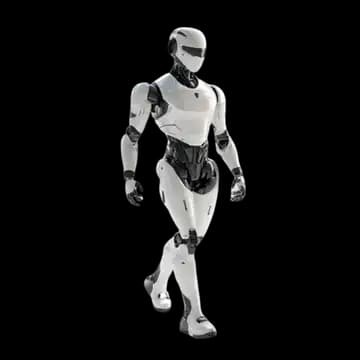
Curious about the robots deployed?


Process Overview
The purpose is to replace the cleaning process, which currently involves cleaning personnel wearing ozone masks due to ozone exposure, with industrial cleaning robots. Although existing cleaning staff wear masks, health concerns are constantly raised.
Project Background and Objectives
Unmanned cleaning using autonomous driving, cameras, sensors, etc.
Increased cleaning efficiency due to cleaning staff and division of labor
Remote control using SOLlink
Components
| Robot | Industrial Cleaning Robot Robots (21 units): Wet/Dry Industrial Cleaning Robot Robot Phantas, Dry Industrial Cleaning Robot Robot SC75 |
|---|
Workflow
| STEP 1. | Select a designated cleaning zone |
|---|---|
| STEP 2. | Set simple cleaning mode (wet) |
| STEP 3. | Start Cleaning Robot |
| STEP 4. | Return to the charging dock after work. |
※ The content provided by Bigwave Robotics is protected under U.S. and Canadian copyright and intellectual property laws. Unauthorized reproduction, distribution, or use of this content is strictly prohibited.
Recommended Use Cases

We Entrusted the Cleaning of a 400-pyeong Elementary School Floor to a Cleaning Robot and Efficiency Skyrocketed!! 😎
This is a case where the cleaning robot Fantas was installed by Big Wave Robotics (Marosol) for floor Cleaning management of a total area of 400 pyeong (one floor) at Yeoncheon Elementary School. By utilizing Fantas, automated cleaning management was implemented for approximately 400 cleaning of floors (including the common lobby), and an unmanned automatic system was operated by equipping Fantas with a charging station, which offers excellent cleaning performance and convenience.

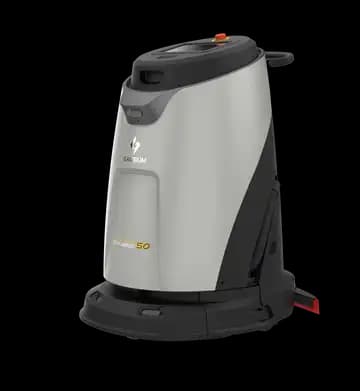
The SC50 Industrial Cleaning Robot, which Even Cleans Cutting Oil, Is the Reason Why Dio Implant Chose the Gausium Cleaning Robot👏
Process Overview This is a case study of Bigwave Robotics (Marosol) installing the SC50 cleaning robot for factory cleaning management. Using the SC50, they implemented an in-house automated cleaning system, leveraging its outstanding cleaning performance and scheduling capabilities to operate an unmanned, automated cleaning system. Warranty Period 1 year Performance Year 2023 Project Duration 1 week Project Background and Objectives Real-time cleaning in challenging environments, such as oil and cutting fluids Cleaning schedule planning considering the worker's working hours Unmanned cleaning using autonomous driving, cameras, and sensors Cleaning robots that clean at set times Manual cleaning mode for cleaning only the areas needed Increased cleaning efficiency through division of labor with cleaning personnel Remote control using SOLlink

Industrial Cleaning Robots Now Cover Incheon Airport. Gausium's SC75 Industrial Cleaning Robot, Unveiled at Incheon Airport 🙌
Process Overview Two cleaning robots in Terminal 1 and six in Terminal 2, operating in each area of Incheon Airport, were verified for operational stability. Based on the verification of operational stability, the goal is to expand the introduction of cleaning robots across all areas of Incheon Airport. Warranty Period 1 Year Performance Year 2024 Project Duration 30 days Project Background and Objectives Disadvantages of Previous Robots The robot does not have an automatic water supply and drainage system, so personnel must manually carry and dispose of the water. When full, the robot can weigh hundreds of pounds, making it difficult to manage because of the heavy load. Proposed water supply and drainage options include workstation and SOLlink remote control. The Gausium cleaning robot supports automatic charging and features automatic water supply and drainage through the workstation. If the water supply and drainage functions are unavailable due to insufficient facility coordination, the kitchenette can be set as a maintenance point via SOLlink, allowing the robot to be remotely moved to that location for easier management.
Process Overview
The purpose is to replace the cleaning process, which currently involves cleaning personnel wearing ozone masks due to ozone exposure, with industrial cleaning robots. Although existing cleaning staff wear masks, health concerns are constantly raised.
Project Background and Objectives
Unmanned cleaning using autonomous driving, cameras, sensors, etc.
Increased cleaning efficiency due to cleaning staff and division of labor
Remote control using SOLlink
Components
| Robot | Industrial Cleaning Robot Robots (21 units): Wet/Dry Industrial Cleaning Robot Robot Phantas, Dry Industrial Cleaning Robot Robot SC75 |
|---|
Workflow
| STEP 1. | Select a designated cleaning zone |
|---|---|
| STEP 2. | Set simple cleaning mode (wet) |
| STEP 3. | Start Cleaning Robot |
| STEP 4. | Return to the charging dock after work. |
※ The content provided by Bigwave Robotics is protected under U.S. and Canadian copyright and intellectual property laws. Unauthorized reproduction, distribution, or use of this content is strictly prohibited.
Curious about the robots deployed?
Related Use Cases
We Entrusted the Cleaning of a 400-pyeong Elementary School Floor to a Cleaning Robot and Efficiency Skyrocketed!! 😎
The SC50 Industrial Cleaning Robot, which Even Cleans Cutting Oil, Is the Reason Why Dio Implant Chose the Gausium Cleaning Robot👏