
Process Overview
- Two cleaning robots in Terminal 1 and six in Terminal 2, operating in each area of Incheon Airport, were verified for operational stability.
- Based on the verification of operational stability, the goal is to expand the introduction of cleaning robots across all areas of Incheon Airport.
Warranty Period
- 1 Year
Performance Year
- 2024
Project Duration
- 30 days
Project Background and Objectives
- Disadvantages of Previous Robots
- The robot does not have an automatic water supply and drainage system, so personnel must manually carry and dispose of the water.
- When full, the robot can weigh hundreds of pounds, making it difficult to manage because of the heavy load.
- Proposed water supply and drainage options include workstation and SOLlink remote control.
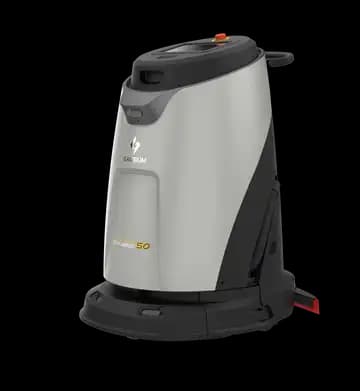
- The Gausium cleaning robot supports automatic charging and features automatic water supply and drainage through the workstation.
- If the water supply and drainage functions are unavailable due to insufficient facility coordination, the kitchenette can be set as a maintenance point via SOLlink, allowing the robot to be remotely moved to that location for easier management.
Components
| Robot | Industrial Cleaning Robot Gausium SC75 |
|---|
Workflow
| STEP 1. | Select a designated cleaning area |
|---|---|
| STEP 2. | Set the simple cleaning mode (wet) |
| STEP 3. | Start cleaning |
| STEP 4. | Return to the charging station after completing the task |
| STEP 5. | Set the desired cleaning schedule |
| STEP 6. | Start cleaning |
| STEP 7. | Return to the charging station after completing the task |
※ The content provided by Bigwave Robotics is protected under U.S. and Canadian copyright and intellectual property laws. Unauthorized reproduction, distribution, or use of this content is strictly prohibited.
Recommended Use Cases
%20%E1%84%91%E1%85%A7%E1%86%AB.png&w=3840&q=75)
Factory Cleanliness Management using Gausium Sc50: Deloitte (Infra Air Holdings) Edition
This is an example of Big Wave Robotics (Marosol) introducing the Scrubber50 cleaning robot to Deloitte (Infra Air Holdings) for cleaning operations. The Gausium Scrubber50 cleaning robot features a work process that is easy to use even for first-time robot users, excellent productivity, and various modes—including scrubbing, sweeping, and mopping—allowing for appropriate use depending on the situation. It is recommended for factories and work environments where high levels of dust and debris are present and cleanliness management is required.

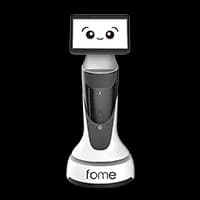
Fome, the Guide Robot that Provided Smart Guide at the National Commercial Skills Competition
This is an example of the installation of the guide robot Fomi by Big Wave Robotics (Marosol) for the purpose of promoting and guide visitors at the National Commercial Competition venue. Through Fomi, we were able to guide visitors to the venue and the competition, thereby effectively guide the National Commercial Competition.

Cleaning Seoul Express Bus Terminal using Avidbots Neo 2
Sungjoo Comtech's Avidbots Neo 2 is the optimal solution for automated cleaning of large indoor spaces such as department stores, large shopping malls, and large buildings. It enables continuous cleaning through autonomous driving, whether during the day when foot traffic is high or at night when there is no traffic. Equipped with numerous sensors, it ensures stable operation even in environments with high foot traffic.
Process Overview
- Two cleaning robots in Terminal 1 and six in Terminal 2, operating in each area of Incheon Airport, were verified for operational stability.
- Based on the verification of operational stability, the goal is to expand the introduction of cleaning robots across all areas of Incheon Airport.
Warranty Period
- 1 Year
Performance Year
- 2024
Project Duration
- 30 days
Project Background and Objectives
- Disadvantages of Previous Robots
- The robot does not have an automatic water supply and drainage system, so personnel must manually carry and dispose of the water.
- When full, the robot can weigh hundreds of pounds, making it difficult to manage because of the heavy load.
- Proposed water supply and drainage options include workstation and SOLlink remote control.
- The Gausium cleaning robot supports automatic charging and features automatic water supply and drainage through the workstation.
- If the water supply and drainage functions are unavailable due to insufficient facility coordination, the kitchenette can be set as a maintenance point via SOLlink, allowing the robot to be remotely moved to that location for easier management.
Components
| Robot | Industrial Cleaning Robot Gausium SC75 |
|---|
Workflow
| STEP 1. | Select a designated cleaning area |
|---|---|
| STEP 2. | Set the simple cleaning mode (wet) |
| STEP 3. | Start cleaning |
| STEP 4. | Return to the charging station after completing the task |
| STEP 5. | Set the desired cleaning schedule |
| STEP 6. | Start cleaning |
| STEP 7. | Return to the charging station after completing the task |
※ The content provided by Bigwave Robotics is protected under U.S. and Canadian copyright and intellectual property laws. Unauthorized reproduction, distribution, or use of this content is strictly prohibited.
Related Use Cases
Factory Cleanliness Management using Gausium Sc50: Deloitte (Infra Air Holdings) Edition
Fome, the Guide Robot that Provided Smart Guide at the National Commercial Skills Competition