




Process layout
Process Overview
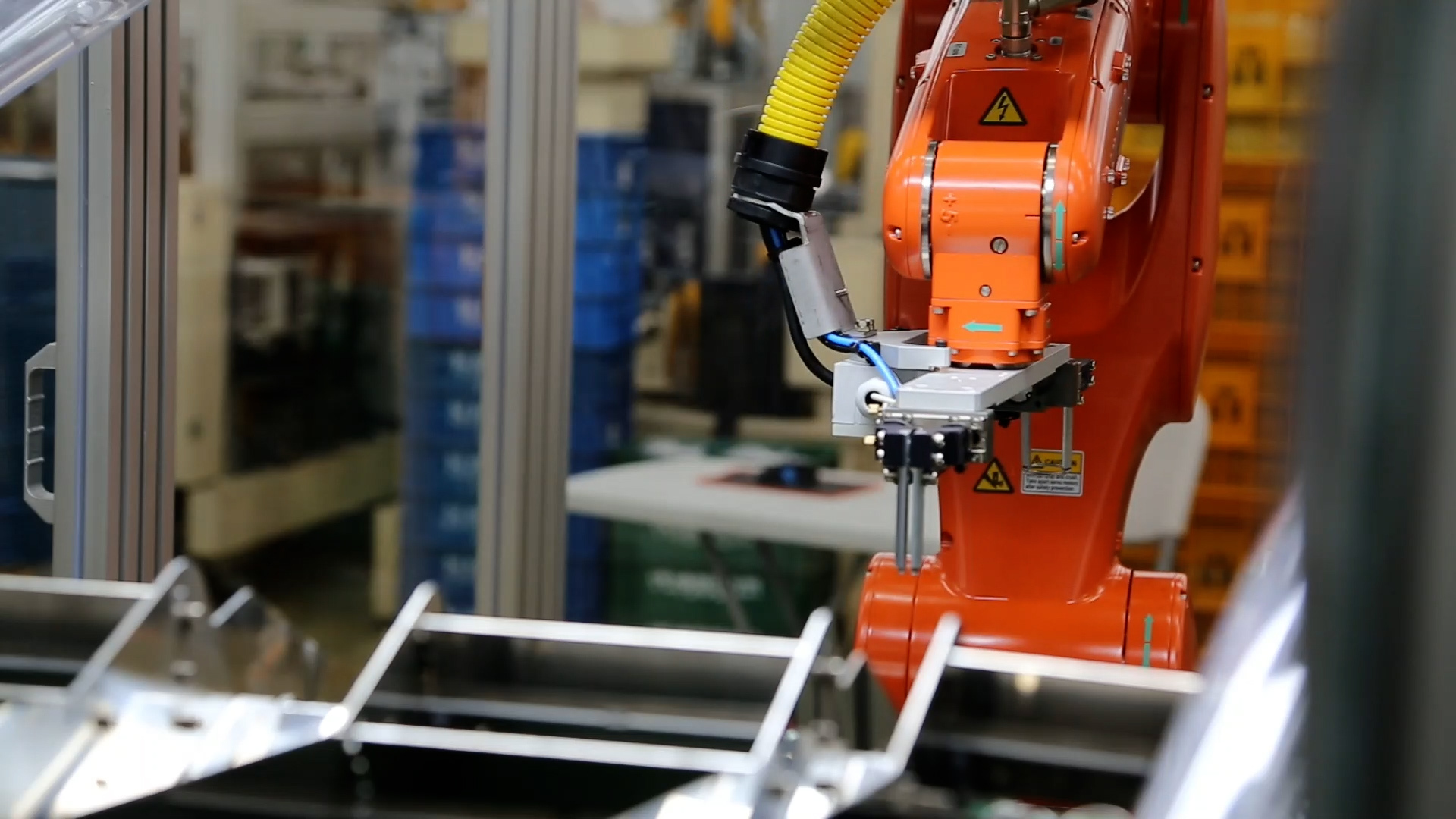
A robot vision picking system using robots and AI vision for industrial pick-and-place operations.
A smart conveyor provides flexible part feeding, while AI-based vision inspects parts and captures key information such as position. This enables fast and accurate robot-integrated pick-and-place automation.
Company Introduction
Company name: CTR Robotics
Established: April 2, 2012
Location: 21, 333beon-gil, Gwahangsan-dong, Gangseo-gu, Busan, Korea
Competitiveness
Total solution capabilities for automation equipment manufacturing
Extensive experience and skilled workforce in custom system design, control, and installationRobotics automation solutions aligned with leading industry trends
Mass-production deployment experience for intelligent equipment using robot vision
Advanced development capabilities and standardization expertise through PoC projects
In-house R&D team dedicated to advanced technology development
Components
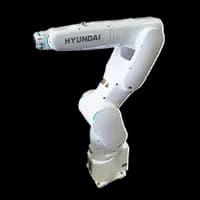
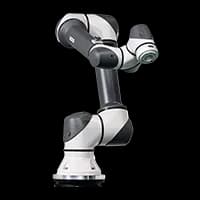
| Robot | Compatible with various robots |
|---|---|
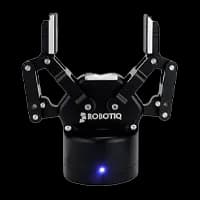
| Peripherals |
|
Workflow
| STEP 1. | Bulk, unaligned parts are fed into the hopper |
|---|---|
| STEP 2. | Parts are spread and flipped using the smart conveyor |
| STEP 3. | Part inspection and learning using AI-based 2D vision |
| STEP 4. | Detects pickable parts and identifies position |
| STEP 5. | Robot pick-and-place is executed with PLC integrationFast detection and high-accuracy pick-and-place performance |
Features
Fast detection and high-accuracy pick-and-place performance
Precise vibration frequency control suitable for small to medium-sized parts
User-friendly configuration (simple and easy parameter setup)
Picking with mixed-part sorting capability
Applicable to multiple part types based on AI
Minimizes required installation footprint
Provides solutions tailored to customer needs based on extensive mass-production experience
Results
| Client Feedback | Compared to conventional feeders, production increased by minimizing brief stoppages. Space constraints were resolved through a compact design, enabling low-volume, high-mix production. With easy and intuitive programming, fast production changeovers became possible without mechanical modifications.
|
|---|
Unauthorized copying or reproduction of any content on Marosol may violate the Unfair Competition Prevention Act and Copyright Act.
Recommended Solution

Battery Palletizing Automation: Safely Stack Batteries Weighing Over 60kg With the YASKAWA GP225 💪
Standardized over 200 palletizing variables to achieve a consistent cycle time

A House Built by Robots?! Space Factory Automates Modular Housing Window Assembly! 🛠️🏠
Enabled mass production by modularizing 42 assembly patterns

AI Palletizing + Omron AMR Logistics Robots for End-to-End Warehouse Automation 👏
Process Overview This implementation combines Omron AMR logistics robots with an AI-based palletizing system to achieve logistics automation. The customer showed strong interest in adopting an AI-powered logistics automation system to strengthen future competitiveness and to maximize cost savings and operational efficiency through automated palletizing and material handling. This solution autonomously transports and loads various types of goods, improving efficiency and accuracy in inbound and outbound operations, while reducing physical workload for operators and ensuring workplace safety. Project Background and Objectives The customer aimed to optimize logistics operations and reduce costs by adopting an AI-driven automation solution to enhance future logistics competitiveness. In particular, automation was urgently needed for repetitive and heavy palletizing tasks and material transport operations. The objective of this project is to maximize outbound operation efficiency using AMRs and industrial robots, ensure operator safety, and enable real-time tracking and management of goods. Through this, the customer sought to improve productivity at the logistics site and secure long-term stability and flexibility in future logistics operations.
Process layout
Process Overview
A robot vision picking system using robots and AI vision for industrial pick-and-place operations.
A smart conveyor provides flexible part feeding, while AI-based vision inspects parts and captures key information such as position. This enables fast and accurate robot-integrated pick-and-place automation.
Company Introduction
Company name: CTR Robotics
Established: April 2, 2012
Location: 21, 333beon-gil, Gwahangsan-dong, Gangseo-gu, Busan, Korea
Competitiveness
Total solution capabilities for automation equipment manufacturing
Extensive experience and skilled workforce in custom system design, control, and installationRobotics automation solutions aligned with leading industry trends
Mass-production deployment experience for intelligent equipment using robot vision
Advanced development capabilities and standardization expertise through PoC projects
In-house R&D team dedicated to advanced technology development
Components
| Robot | Compatible with various robots |
|---|---|
| Peripherals |
|
Workflow
| STEP 1. | Bulk, unaligned parts are fed into the hopper |
|---|---|
| STEP 2. | Parts are spread and flipped using the smart conveyor |
| STEP 3. | Part inspection and learning using AI-based 2D vision |
| STEP 4. | Detects pickable parts and identifies position |
| STEP 5. | Robot pick-and-place is executed with PLC integrationFast detection and high-accuracy pick-and-place performance |
Features
Fast detection and high-accuracy pick-and-place performance
Precise vibration frequency control suitable for small to medium-sized parts
User-friendly configuration (simple and easy parameter setup)
Picking with mixed-part sorting capability
Applicable to multiple part types based on AI
Minimizes required installation footprint
Provides solutions tailored to customer needs based on extensive mass-production experience
Results
| Client Feedback | Compared to conventional feeders, production increased by minimizing brief stoppages. Space constraints were resolved through a compact design, enabling low-volume, high-mix production. With easy and intuitive programming, fast production changeovers became possible without mechanical modifications.
|
|---|
Unauthorized copying or reproduction of any content on Marosol may violate the Unfair Competition Prevention Act and Copyright Act.
Recommended Solution
Battery Palletizing Automation: Safely Stack Batteries Weighing Over 60kg With the YASKAWA GP225 💪
Standardized over 200 palletizing variables to achieve a consistent cycle time
A House Built by Robots?! Space Factory Automates Modular Housing Window Assembly! 🛠️🏠
Enabled mass production by modularizing 42 assembly patterns
AI Palletizing + Omron AMR Logistics Robots for End-to-End Warehouse Automation 👏
Process Overview This implementation combines Omron AMR logistics robots with an AI-based palletizing system to achieve logistics automation. The customer showed strong interest in adopting an AI-powered logistics automation system to strengthen future competitiveness and to maximize cost savings and operational efficiency through automated palletizing and material handling. This solution autonomously transports and loads various types of goods, improving efficiency and accuracy in inbound and outbound operations, while reducing physical workload for operators and ensuring workplace safety. Project Background and Objectives The customer aimed to optimize logistics operations and reduce costs by adopting an AI-driven automation solution to enhance future logistics competitiveness. In particular, automation was urgently needed for repetitive and heavy palletizing tasks and material transport operations. The objective of this project is to maximize outbound operation efficiency using AMRs and industrial robots, ensure operator safety, and enable real-time tracking and management of goods. Through this, the customer sought to improve productivity at the logistics site and secure long-term stability and flexibility in future logistics operations.