
Process layout
Process Overview
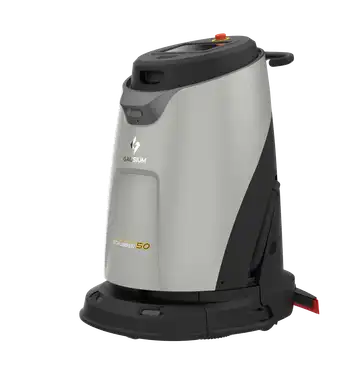
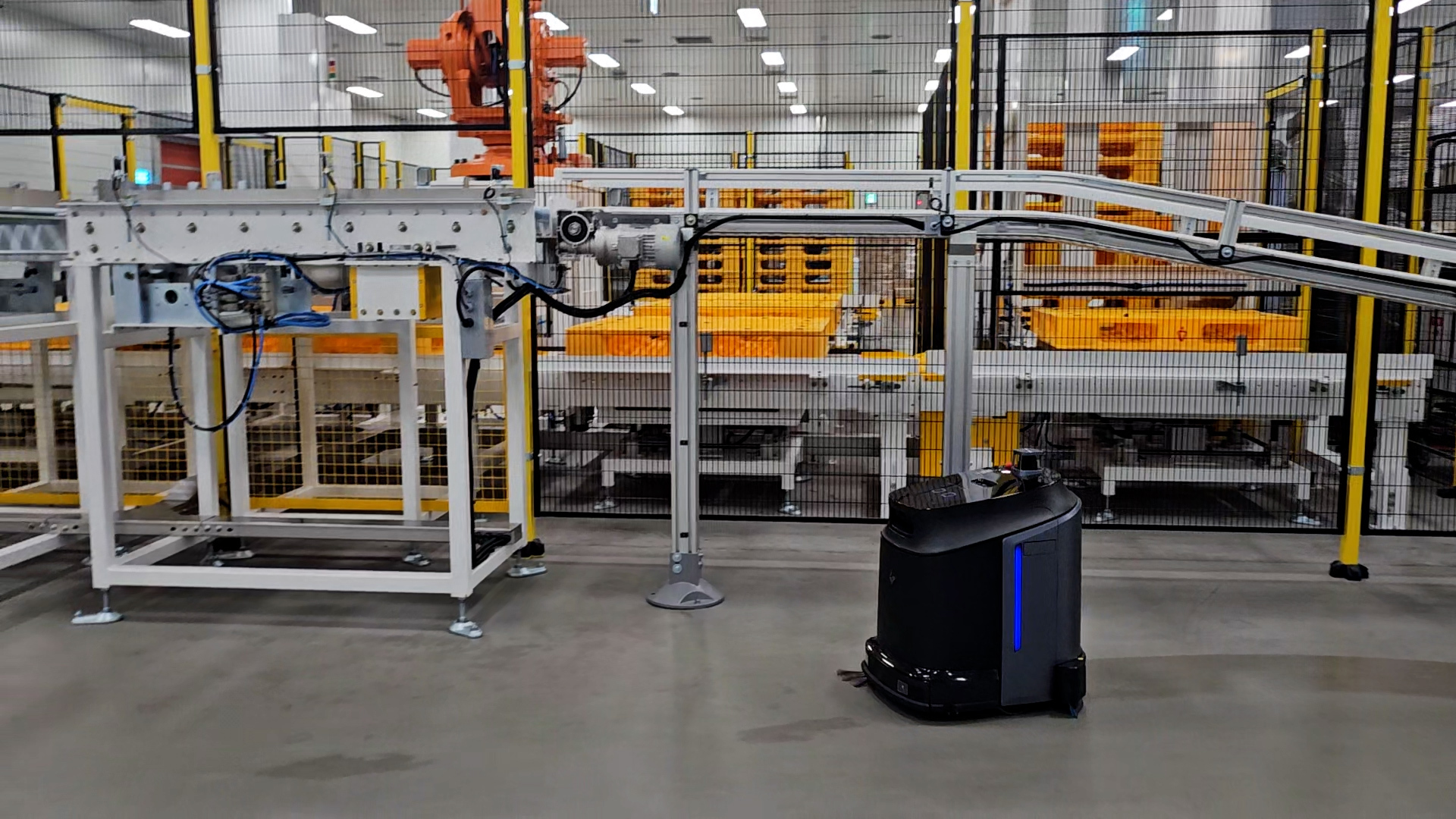
This implementation case involves the introduction of industrial cleaning robots to provide a pleasant environment for the Sinjeon Tteokbokki factory and office. The deployed industrial cleaning robots, Phantas and VC40, are being utilized in various spaces including Sinjeon Tteokbokki's manufacturing lines, the Sinjeon Museum (Tteokbokki Museum), and even the tennis court provided for employee welfare. In particular, the introduction of cleaning robots has significantly improved work efficiency and hygiene management, contributing to providing a pleasant space where both employees and customers can feel at ease.
Warranty Period
1 year
Year of Execution
2024
Project Period
2 weeks
Project Background and Objective
Sinjeon Tteokbokki aimed to establish an unmanned cleaning system through cleaning robots equipped with autonomous driving technology, advanced cameras, and sensors. By dividing cleaning tasks between existing janitorial staff and robots, cleaning efficiency is increased, and nighttime cleaning provides an environment where staff can focus on their work during daytime hours. Additionally, robots can be remotely controlled through SOLlink, a heterogeneous/multi-robot integrated control system, and work reports can be checked after each cleaning task, maximizing management efficiency and convenience.
Components
| Robot |
|
|---|
Workflow
| STEP 1. | Select and Set Cleaning Areas: The industrial cleaning robot selects the designated cleaning area and simply sets the required cleaning mode (wet, dry). |
|---|---|
| STEP 2. | Start Cleaning: The robot moves according to the set cleaning area and starts cleaning. |
| STEP 3. | Movement Between Areas: After completing cleaning in one area (A), it moves to the next area (B) to clean continuously. |
| STEP 4. | Task Completion and Return: Once all cleaning tasks are finished, the robot automatically returns to the charging station to recharge. |
Features
Major Benefits of Introducing Industrial Cleaning Robots
1. Convenience and Smart Management
Remote Control and Schedule Management: You can remotely control the cleaning robots through SOLlink and freely set cleaning schedules.
Cleaning Task Reports: Check cleaning effectiveness through intuitive task reports and continuously monitor robot status.
Safety: Obstacle avoidance and safe autonomous driving are enabled via front/rear cameras and various sensors, allowing the robot to perform tasks safely even when workers are nearby.
2. Outstanding Cleaning Performance
Edge and Corner Cleaning: Boasts the precision to clean within 1cm of walls, ensuring every corner is kept clean.
Wide Cleaning Coverage: Capable of cleaning up to 700$m^2$ per hour, effectively managing large areas such as manufacturing lines and museums.
Supports Wet and Dry Cleaning: Flexibility to switch between wet and dry cleaning modes depending on floor types and needs, allowing for a versatile response to various environments.
3. Streamlined Process and Safety
Simple Setup and Operation: Easy settings and operations are available directly on the industrial cleaning robot; it can also be moved manually when necessary to conveniently change cleaning zones.
Auto-Charging Function: The robot automatically returns to the wireless charging station after tasks to begin charging, maintaining optimal readiness at all times.
Safe Navigation: The industrial cleaning robot detects surroundings in real-time using LiDAR sensors, front/rear cameras, and tilt cameras to smartly avoid obstacles while moving.
Results
| Key Benefits | Enhanced Hygiene Management: Significantly improved food hygiene management in manufacturing and museum spaces, creating an environment where customers can feel secure.
Improved Cleaning Efficiency: By dividing repetitive tasks between janitorial staff and robots, both the speed and quality of cleaning have increased.
Boosted Employee Welfare: With the cleaning robot managing the tennis courts, employees can enjoy cleaner welfare spaces, and the burden on management staff has been reduced.
|
|---|---|
| Client Feedback | A representative from Sinjeon Tteokbokki commented, "With the introduction of industrial cleaning robots, a much cleaner environment is being maintained across our manufacturing spaces, museum, and tennis courts. As employee welfare and hygiene management improve, we expect to grow into a brand that is even more trusted by our customers." By enhancing efficiency and adding reliability to hygiene management through this smart cleaning automation system, Sinjeon Tteokbokki is solidifying its position as a more competitive food brand.
|
Unauthorized copying or reproduction of any content on Marosol may violate the Unfair Competition Prevention Act and Copyright Act.
Curious about the robots used?


Recommended Solution

The Industrial Robot Vacuum Cleaner Chosen by Inha Technical College! Capable of Cleaning Up To 212 pyeong Per Hour?! 😎
This is an example of the installation of the Cleaning Robot robot Fantas by Big Wave Robotics (Marosol) for Cleaning Robot the hallways of the Inha Technical College dormitory. By utilizing Fantas’s excellent Cleaning Robot performance, convenience, and charging station, automated cleaning management was implemented in the 1st-floor lobby and hallway areas on all floors, and an unmanned automatic system was put into operation.

Commercial Cleaning Robot Fantas Introduced at Juwangsan National Park Visitor Center
This is an example of the installation of the Fantas cleaning robot by Big Wave Robotics (Marosol) for interior floor cleaning management at the Juwangsan National Park Visitor Information Center. By utilizing Fantas, automated cleaning management was implemented within the visitor information center, and an unmanned automatic system was operated by equipping the robot with a charging station and offering superior cleaning performance and convenience.

Brewing Process Using the Inopiece Muscle Suit Every
Inopiece’s Muscle Suit Every is a non-powered wearable robot that helps minimize worker fatigue by distributing the workload when lifting heavy workpieces or working with the waist bent for extended periods. Utilizing pneumatic artificial muscles, it is not limited by usage time and offers excellent ease of attachment and detachment, minimizing discomfort during task switching and significantly improving work efficiency. * A fee of 200,000 KRW per day applies for the demo.