




Process layout
Process Overview
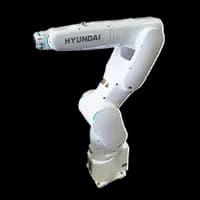
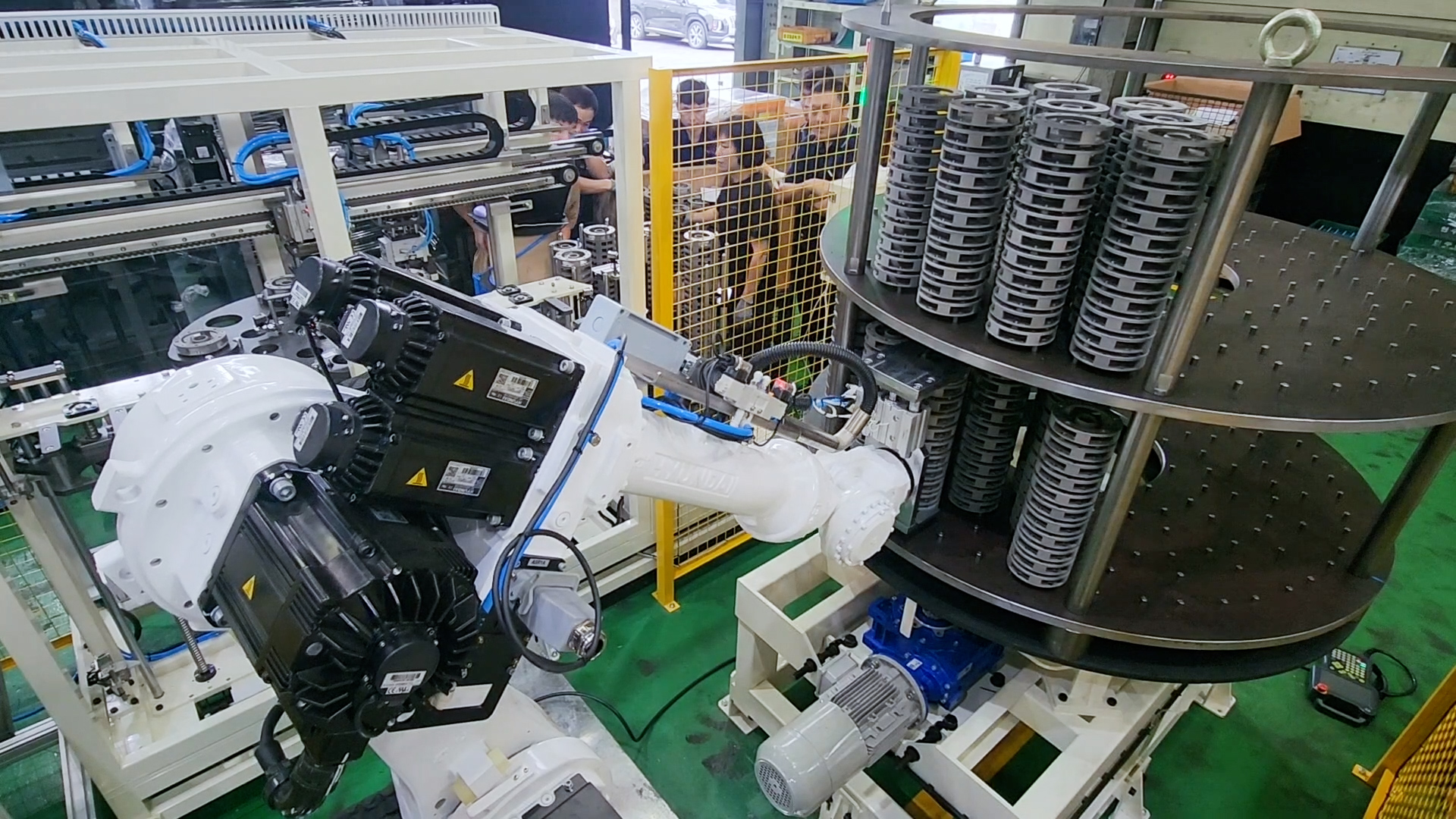
This project involved the introduction of automated loading/unloading to ensure uniform heat treatment of the carrier mid-planet, a key component of automotive transmissions. The client implemented automation to address several issues arising from the previously manual process, particularly the increased defect rate and inefficiencies caused by workers. Hyundai Robotics' HH050 six-axis industrial robot was utilized for this purpose, automating various tasks such as product stacking, pin insertion, and tray placement, ensuring high productivity and stability.
Warranty Period
- 1 Year
Performance Year
- 2024
Project Duration
- 3 Months
Components
| Robot | Hyundai Robotics' HH050 six-axis industrial robot ; |
|---|
Workflow
| STEP 1. | Product loading part: Manually place the mid-planet on the loading jig, and place 20 products per jig on the 8-segment index table to secure up to 160 product cartridges. |
|---|---|
| STEP 2. | Pin insertion part: The pins for loading are supplied and aligned through the parts feeder and placed on the mid-planet using a single-axis robot + air chuck combination. |
| STEP 3. | Loading part: Loading the mid-planet with the pin inserted, and use the servo-type to precisely control the position of the mid-planet according to its thickness. 2 sets are applied to prevent bottlenecks from occurring even when the laminated product is being discharged. |
| STEP 4. | Tray placement part: Using a 6-axis industrial robot, the loaded products are placed on a tray dedicated to heat treatment, 9 sets of fully loaded products are placed every 60' radius, and when the 360' work is completed, the worker uses a hoist to eject them with the tray, completing one cycle. |
Features
Securing customer-specific layouts, fully automating pin inserts and loading operations, and securing a fast and stable production capacity of 720 pieces per hour.
Results
| Client Feedback | By automating the process, we were able to reliably produce 720 products per hour, significantly improving overall work speed and productivity compared to manual labor. By allowing robots to handle the repeatability and precision of the work, we significantly reduced the defect rate and minimized errors. |
|---|
Unauthorized copying or reproduction of any content on Marosol may violate the Unfair Competition Prevention Act and Copyright Act.
Recommended Solution

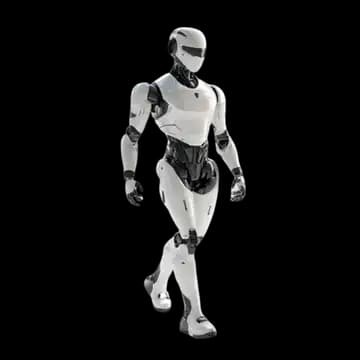
Humanoid Robots in Factories: Is It Really Possible? A Smart Factory Line from Bolt Fastening to Encasing
This solution is an automation system that integrates vision system-based bolt Fastening and quality Inspection with an encasing process utilizing a humanoid. The process consists of a flow of bolt fastening → vision based quality Inspection → product transfer → humanoid recognition and classification → encasing We have integrated the entire process, from Assembly to final casing, into an automated line.

Aluminum Dross Processing using Yaskawa Robots
This automation solution utilizes YASKAWA robots to automate the hazardous manual process of handling high-temperature aluminum dross (a byproduct of molten aluminum). By deploying a robot with high heat resistance, this system replaces human operators in extreme thermal environments, ensuring workplace safety and enabling continuous, non-stop operation. The primary goal of this project was to enhance operational safety and improve the work environment by automating the byproduct treatment following high-heat aluminum processing.

Steel Plate Press Assistance using Dual Yaskawa Robots
This automation solution utilizes two YASKAWA robots to assist in steel plate press operations. By automating the machine tending process, the system secures high operational stability and safety. Due to the nature of press processes—characterized by extremely short cycle times and high-risk environments—industrial accidents involving human operators are frequent. In this specific solution, the robots hold the workpieces during the pressing operation itself. By having two robots perform continuous, synchronized cross-work, the cycle time is minimized to just 2 seconds per unit, maximizing overall productivity.
Process layout
Process Overview
This project involved the introduction of automated loading/unloading to ensure uniform heat treatment of the carrier mid-planet, a key component of automotive transmissions. The client implemented automation to address several issues arising from the previously manual process, particularly the increased defect rate and inefficiencies caused by workers. Hyundai Robotics' HH050 six-axis industrial robot was utilized for this purpose, automating various tasks such as product stacking, pin insertion, and tray placement, ensuring high productivity and stability.
Warranty Period
- 1 Year
Performance Year
- 2024
Project Duration
- 3 Months
Components
| Robot | Hyundai Robotics' HH050 six-axis industrial robot ; |
|---|
Workflow
| STEP 1. | Product loading part: Manually place the mid-planet on the loading jig, and place 20 products per jig on the 8-segment index table to secure up to 160 product cartridges. |
|---|---|
| STEP 2. | Pin insertion part: The pins for loading are supplied and aligned through the parts feeder and placed on the mid-planet using a single-axis robot + air chuck combination. |
| STEP 3. | Loading part: Loading the mid-planet with the pin inserted, and use the servo-type to precisely control the position of the mid-planet according to its thickness. 2 sets are applied to prevent bottlenecks from occurring even when the laminated product is being discharged. |
| STEP 4. | Tray placement part: Using a 6-axis industrial robot, the loaded products are placed on a tray dedicated to heat treatment, 9 sets of fully loaded products are placed every 60' radius, and when the 360' work is completed, the worker uses a hoist to eject them with the tray, completing one cycle. |
Features
Securing customer-specific layouts, fully automating pin inserts and loading operations, and securing a fast and stable production capacity of 720 pieces per hour.
Results
| Client Feedback | By automating the process, we were able to reliably produce 720 products per hour, significantly improving overall work speed and productivity compared to manual labor. By allowing robots to handle the repeatability and precision of the work, we significantly reduced the defect rate and minimized errors. |
|---|
Unauthorized copying or reproduction of any content on Marosol may violate the Unfair Competition Prevention Act and Copyright Act.
Recommended Solution
Humanoid Robots in Factories: Is It Really Possible? A Smart Factory Line from Bolt Fastening to Encasing
This solution is an automation system that integrates vision system-based bolt Fastening and quality Inspection with an encasing process utilizing a humanoid. The process consists of a flow of bolt fastening → vision based quality Inspection → product transfer → humanoid recognition and classification → encasing We have integrated the entire process, from Assembly to final casing, into an automated line.
Aluminum Dross Processing using Yaskawa Robots
This automation solution utilizes YASKAWA robots to automate the hazardous manual process of handling high-temperature aluminum dross (a byproduct of molten aluminum). By deploying a robot with high heat resistance, this system replaces human operators in extreme thermal environments, ensuring workplace safety and enabling continuous, non-stop operation. The primary goal of this project was to enhance operational safety and improve the work environment by automating the byproduct treatment following high-heat aluminum processing.
Steel Plate Press Assistance using Dual Yaskawa Robots
This automation solution utilizes two YASKAWA robots to assist in steel plate press operations. By automating the machine tending process, the system secures high operational stability and safety. Due to the nature of press processes—characterized by extremely short cycle times and high-risk environments—industrial accidents involving human operators are frequent. In this specific solution, the robots hold the workpieces during the pressing operation itself. By having two robots perform continuous, synchronized cross-work, the cycle time is minimized to just 2 seconds per unit, maximizing overall productivity.