





Process layout
This application case showcases a logistics automation solution implemented using AMRs (Autonomous Mobile Robots) developed by Altiol. By introducing autonomous driving technology—a core pillar of the Fourth Industrial Revolution—the system is easy to deploy on-site. Furthermore, it allows customers to configure their own programs, making maintenance simple and intuitive. By adopting this unmanned transport system in logistics centers and manufacturing sites, companies have successfully reduced worker fatigue, increased operational efficiency, and lowered labor costs.
Components
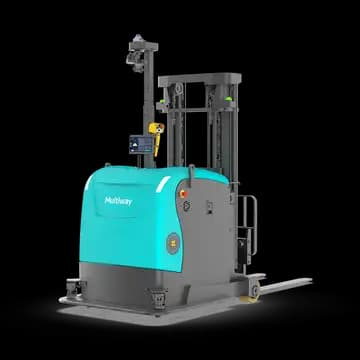
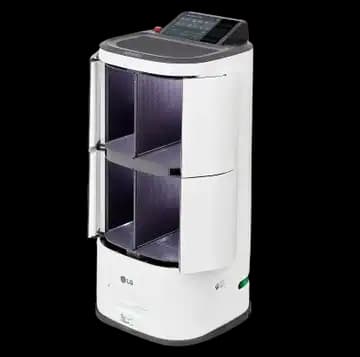
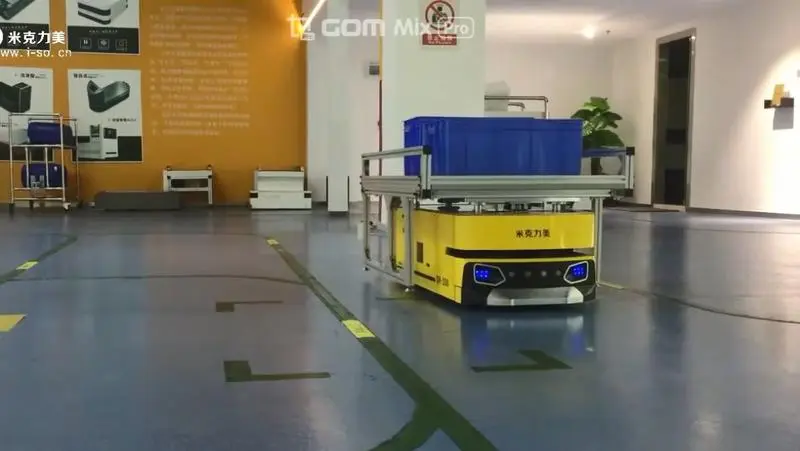
| Robot | Altiol offers a diverse lineup of AMRs tailored to different payload and size requirements: |
|---|
Workflow
| STEP 1. | Data Management: The WMS (Warehouse Management System) manages material inbound and outbound data. |
|---|---|
| STEP 2. | Task Instruction: The WMS sends work orders to the ACS (AMR Control System). |
| STEP 3. | Scheduling: The AMR receives task scheduling data from the ACS. |
| STEP 4. | Execution: The AMR performs product loading and unloading operations according to the assigned sequence. |
| STEP 5. | Idle State: When no tasks are active, the AMR moves to its home position for automatic charging and awaits the next instruction. |
Features
Simple yet Site-Specific Solutions
Reduced Installation Costs: Simplified mapping programs minimize on-site setup expenses.
Customizable Monitoring: Designing monitoring interfaces tailored to specific customer needs.
System Integration: Seamless connection with MES/WMS to manage work status, inventory, and data logic in real-time.
Diverse Product Lineup for Safety and Productivity
Dual Safety System: Ensures worker safety using primary laser scanners and secondary contact bumper sensors.
Maximum Efficiency: Establishes unmanned systems with a low-budget approach for optimal ROI.
Custom Selection: Cost reduction achieved by selecting models perfectly matched to the product's weight and size.
Results
| Key Benefits | Quantitative: Reduction in fixed costs due to decreased headcount.
Qualitative: Increased operational efficiency and production rates through automation reduction in unexpected variables.
|
|---|---|
| Client Feedback | "This system is an excellent solution for overcoming labor shortages. It maximizes efficiency with a manageable investment cost and is particularly useful for standardizing worker proficiency when deployed on fixed assembly lines."
|
Unauthorized copying or reproduction of any content on Marosol may violate the Unfair Competition Prevention Act and Copyright Act.
Recommended Solution

CMES Palletizing Solution Revealed: Why Coupang Chose This AI-Powered Robot
Project Overview The CMES Palletizing solution is a robot automation system designed to automatically stack boxes of various sizes and shapes onto pallets. This system optimizes palletizing—one of the most critical tasks in Logistics—by integrating 3D vision and AI technology. Even when irregular boxes arrive at random, the AI independently generates optimal stacking patterns, providing high efficiency and space utilization. Project Background & Objectives Palletizing is crucial in large-scale logistics centers and manufacturing, but the increasing variety of box sizes and shapes makes manual labor time-consuming and costly. To address this, CMES has developed AI learning algorithms since 2014 and finalized an automated palletizing solution through various verification stages. This solution was specifically implemented to meet the technical need for fast and accurate processing of irregular boxes in large-scale logistics centers like Coupang.

Omron AMR Logistics Robot Successfully Automates Raw Material Transport to Boost Operational Efficiency
Project Overview This implementation case features a large-scale circular raw material transport solution utilizing Omron AMR Logistics robots. Previously, raw material transport involved workers manually rolling large circular containers, which created issues with fatigue and efficiency, necessitating an automation solution. This project aimed to automate the movement of raw materials by introducing Omron AMR Logistics robots, thereby reducing worker burden and significantly improving operational efficiency. Project Background & Objectives When raw materials arrived in large containers, the manual transport process by workers involved high labor intensity and the risk of injury. Furthermore, productivity decreased due to time consumption and operational imbalances. The objective of this project is to implement an AMR-based automation solution to resolve these issues and achieve efficient logistics operations.

SFAW Exhibition: SCHMALZ Vacuum Handling System (HS) Application
This application case features Schmalz's Vacuum Handling System (HS) as presented at the SFAW exhibition. It was designed to allow visitors to personally experience the practicality of moving workpieces more safely and comfortably. By utilizing the Vacuum Handling System (HS), workers can prevent musculoskeletal injuries caused by repeatedly moving heavy objects while performing tasks faster and more securely. Project Background & Objectives Reduction of Worker Fatigue and Accident Prevention: Minimizing physical strain and safety risks. Simplification of Heavy Load Transport: Making the movement of high-payload workpieces effortless. Versatile Handling: Safely and easily handling workpieces of various shapes and materials. Enhanced Production Efficiency: Achieving faster transport speeds and streamlined workflows.
Process layout
This application case showcases a logistics automation solution implemented using AMRs (Autonomous Mobile Robots) developed by Altiol. By introducing autonomous driving technology—a core pillar of the Fourth Industrial Revolution—the system is easy to deploy on-site. Furthermore, it allows customers to configure their own programs, making maintenance simple and intuitive. By adopting this unmanned transport system in logistics centers and manufacturing sites, companies have successfully reduced worker fatigue, increased operational efficiency, and lowered labor costs.
Components
| Robot | Altiol offers a diverse lineup of AMRs tailored to different payload and size requirements: |
|---|
Workflow
| STEP 1. | Data Management: The WMS (Warehouse Management System) manages material inbound and outbound data. |
|---|---|
| STEP 2. | Task Instruction: The WMS sends work orders to the ACS (AMR Control System). |
| STEP 3. | Scheduling: The AMR receives task scheduling data from the ACS. |
| STEP 4. | Execution: The AMR performs product loading and unloading operations according to the assigned sequence. |
| STEP 5. | Idle State: When no tasks are active, the AMR moves to its home position for automatic charging and awaits the next instruction. |
Features
Simple yet Site-Specific Solutions
Reduced Installation Costs: Simplified mapping programs minimize on-site setup expenses.
Customizable Monitoring: Designing monitoring interfaces tailored to specific customer needs.
System Integration: Seamless connection with MES/WMS to manage work status, inventory, and data logic in real-time.
Diverse Product Lineup for Safety and Productivity
Dual Safety System: Ensures worker safety using primary laser scanners and secondary contact bumper sensors.
Maximum Efficiency: Establishes unmanned systems with a low-budget approach for optimal ROI.
Custom Selection: Cost reduction achieved by selecting models perfectly matched to the product's weight and size.
Results
| Key Benefits | Quantitative: Reduction in fixed costs due to decreased headcount.
Qualitative: Increased operational efficiency and production rates through automation reduction in unexpected variables.
|
|---|---|
| Client Feedback | "This system is an excellent solution for overcoming labor shortages. It maximizes efficiency with a manageable investment cost and is particularly useful for standardizing worker proficiency when deployed on fixed assembly lines."
|
Unauthorized copying or reproduction of any content on Marosol may violate the Unfair Competition Prevention Act and Copyright Act.
Recommended Solution
CMES Palletizing Solution Revealed: Why Coupang Chose This AI-Powered Robot
Project Overview The CMES Palletizing solution is a robot automation system designed to automatically stack boxes of various sizes and shapes onto pallets. This system optimizes palletizing—one of the most critical tasks in Logistics—by integrating 3D vision and AI technology. Even when irregular boxes arrive at random, the AI independently generates optimal stacking patterns, providing high efficiency and space utilization. Project Background & Objectives Palletizing is crucial in large-scale logistics centers and manufacturing, but the increasing variety of box sizes and shapes makes manual labor time-consuming and costly. To address this, CMES has developed AI learning algorithms since 2014 and finalized an automated palletizing solution through various verification stages. This solution was specifically implemented to meet the technical need for fast and accurate processing of irregular boxes in large-scale logistics centers like Coupang.
Omron AMR Logistics Robot Successfully Automates Raw Material Transport to Boost Operational Efficiency
Project Overview This implementation case features a large-scale circular raw material transport solution utilizing Omron AMR Logistics robots. Previously, raw material transport involved workers manually rolling large circular containers, which created issues with fatigue and efficiency, necessitating an automation solution. This project aimed to automate the movement of raw materials by introducing Omron AMR Logistics robots, thereby reducing worker burden and significantly improving operational efficiency. Project Background & Objectives When raw materials arrived in large containers, the manual transport process by workers involved high labor intensity and the risk of injury. Furthermore, productivity decreased due to time consumption and operational imbalances. The objective of this project is to implement an AMR-based automation solution to resolve these issues and achieve efficient logistics operations.
SFAW Exhibition: SCHMALZ Vacuum Handling System (HS) Application
This application case features Schmalz's Vacuum Handling System (HS) as presented at the SFAW exhibition. It was designed to allow visitors to personally experience the practicality of moving workpieces more safely and comfortably. By utilizing the Vacuum Handling System (HS), workers can prevent musculoskeletal injuries caused by repeatedly moving heavy objects while performing tasks faster and more securely. Project Background & Objectives Reduction of Worker Fatigue and Accident Prevention: Minimizing physical strain and safety risks. Simplification of Heavy Load Transport: Making the movement of high-payload workpieces effortless. Versatile Handling: Safely and easily handling workpieces of various shapes and materials. Enhanced Production Efficiency: Achieving faster transport speeds and streamlined workflows.