
Korea Employment Agency for the Disabled Gyeonggi Southern Employee Competency Development Center Successfully Automates Everything from Cafeteria to Cleaning Robot and Cleaning with Robots
1 min read0267
🤖🍽️☕🏥
From Cafeterias to Cafes and Hospitals: How KEAD Changed the Way We Work with Robot Automation
Everyone knows that employing people with disabilities is important, but the reality on the ground can be tougher than expected. 😥 While the will to work is strong, job options are often limited, and tasks can be repetitive or physically demanding.
Particularly in cafeterias, cafes, and hospitals—where movement and interaction are constant—even minor inconveniences can quickly become a heavy burden on employees.
Accumulated fatigue from repetitive serving, clearing, and transport tasks.
Operational inefficiency caused by a structure that requires constant human movement.
Difficulties in designing roles suited for the site despite the need for hiring.
Work environments where long-term retention is challenging.
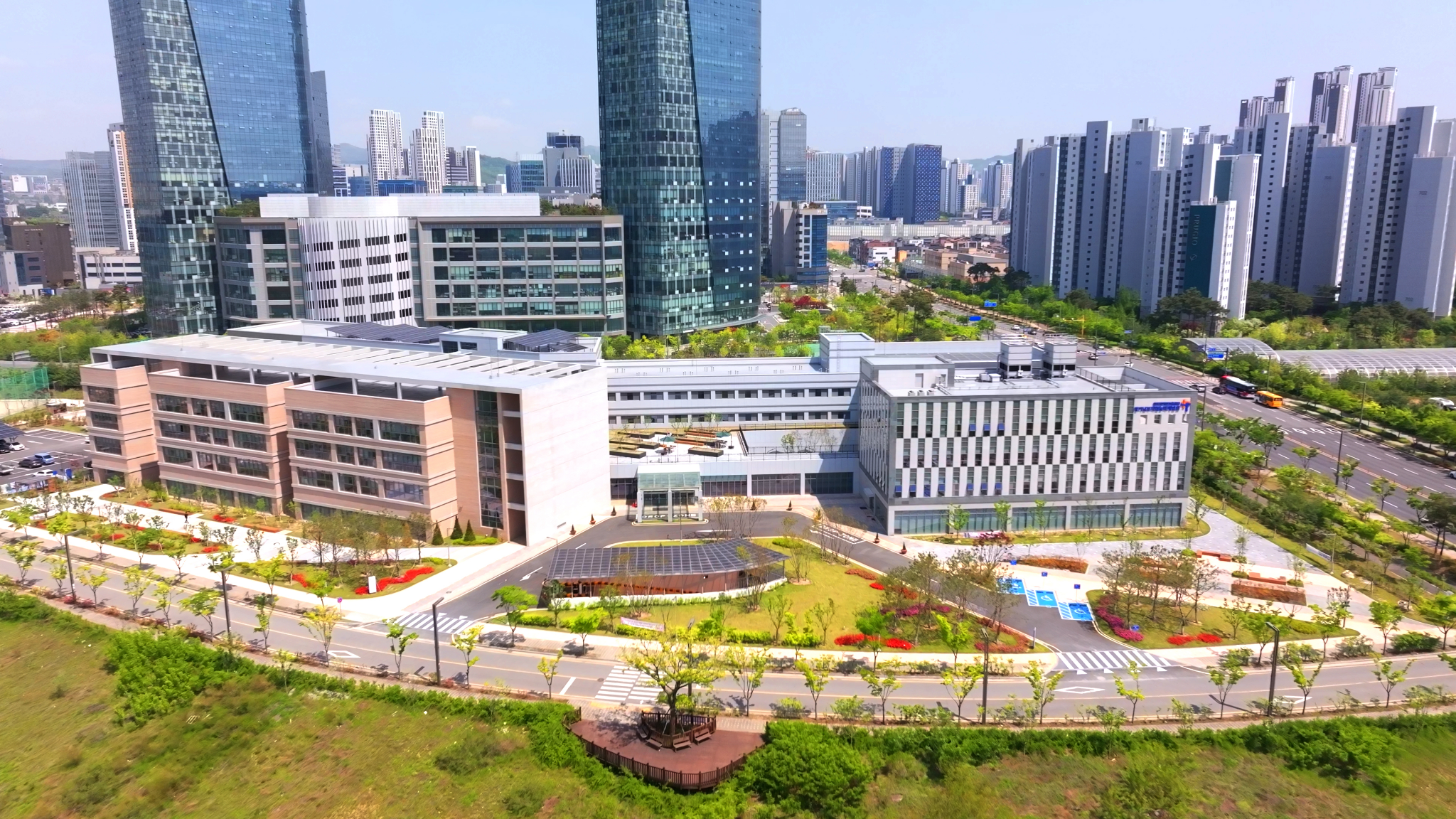
Panoramic view of the Gyeonggi Southern Vocational Training Center of the Korea Employment Agency for Persons with Disabilities
The Korea Employment Agency for Persons with Disabilities (KEAD) faced these same concerns. They started with a simple question: "Are there tasks that don't necessarily require a human, and can we create more stable jobs by reducing physical burdens?"
The answer was Robot Automation. It wasn't about replacing people, but about having robots handle repetitive, labor-intensive tasks so that people could work longer and more stably.
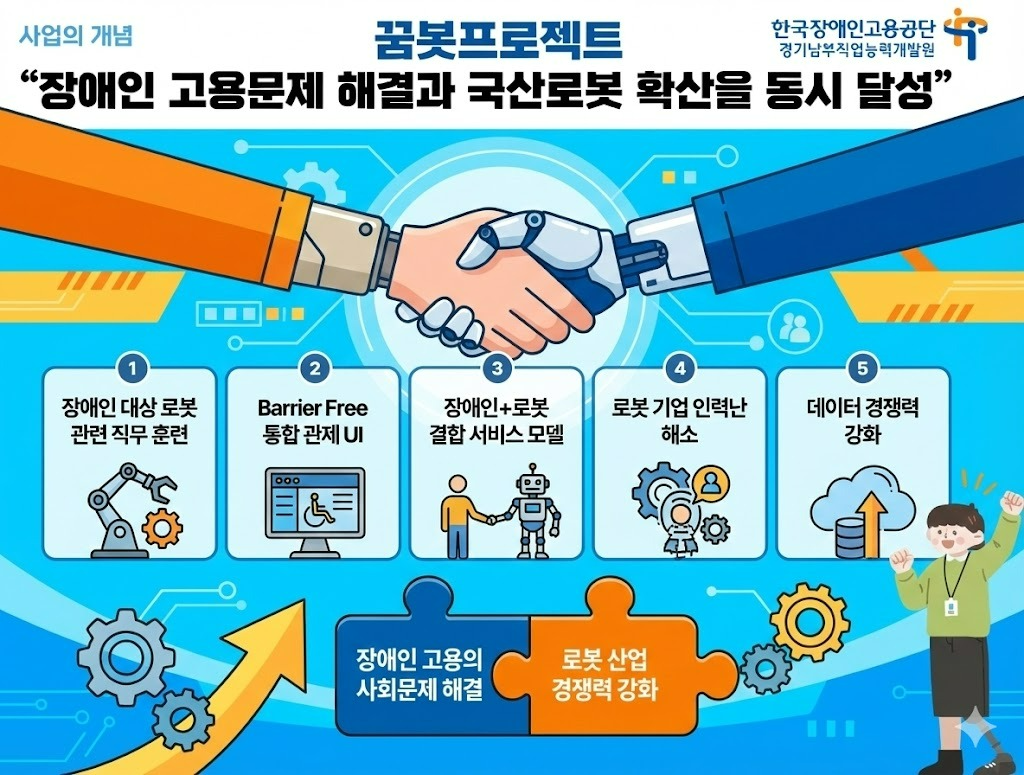 Explanatory image of the Dreambot Project concept
A structure where robots are in charge of simple tasks, and people focus on roles such as operation, management, and customer response. By changing the way of work like this, they sought to find new possibilities for jobs for people with disabilities.
In this process, Marosol worked together to select robots suitable for the site, design the roles of people and robots, and ensure that automation could actually lead to "jobs."
In this post, through the cases of robot automation introduced to cafeterias, cafes, and public institution sites, we will introduce what kind of concerns KEAD started from and in what way Marosol succeeded in automation! 👇
Case 1. 🍽️ We automated even meal distribution and clearing with serving robots in the KEAD cafeteria
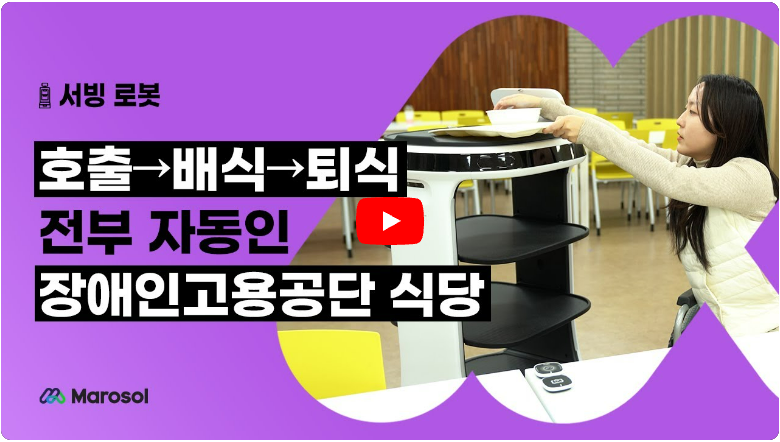 Click the thumbnail to view more details about the implementation case.
What kind of help do people using wheelchairs need to eat in the cafeteria? Previously, staff had to move to the table while carrying the meal tray directly, and after the meal was over, the process of collecting the empty meal tray again was repeated.
To solve these concerns, the KEAD Gyeonggi Southern Vocational Competency Development Center cafeteria chose to introduce serving robots. Marosol introduced the Bear Robotics serving robot Servi (Servi+) to this site and redesigned the distribution and clearing routes around the robot.
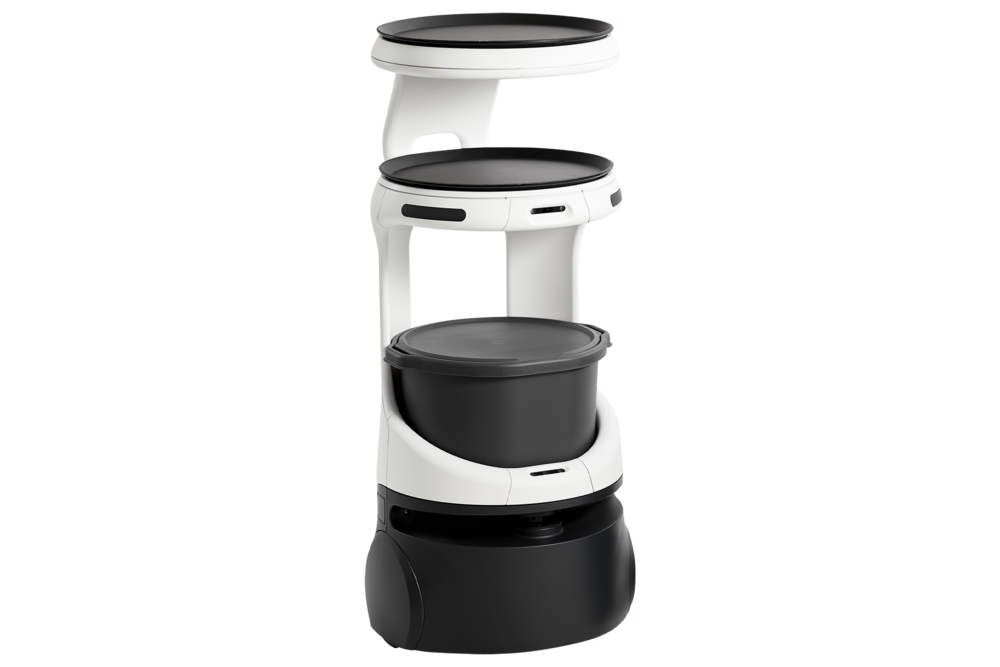
How did it change after the introduction of serving robots? Users with disabilities only need to press the call bell while sitting in their seats, and the robot directly brings the meal prepared by the nutritionist to the table.
After the meal is over, they just need to press the clearing bell and place the empty meal tray on the robot tray, and the robot automatically moves to the clearing exit.
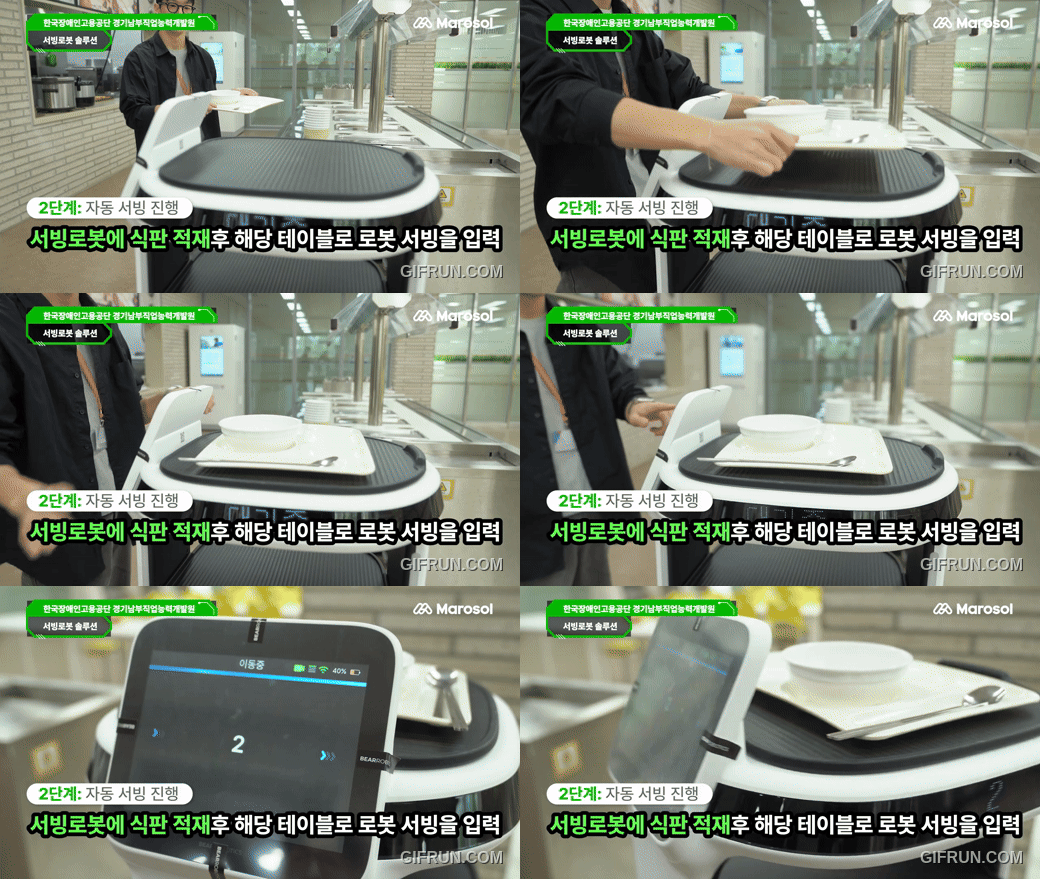
The serving robot moves safely by recognizing people and obstacles based on autonomous driving technology and provides stable serving by stopping accurately at the designated table position.
When all work is finished, it returns to the charging station by itself and even completes automatic charging. The parts for the manager to care about separately have also been significantly reduced. 🙌
As a result, the site has changed like this.
Staff have been freed from repetitive tasks like distribution and clearing and can focus more on operation management and customer response, and customers with disabilities, including wheelchair users, have experienced a barrier-free restaurant environment where they can eat conveniently without moving seats.
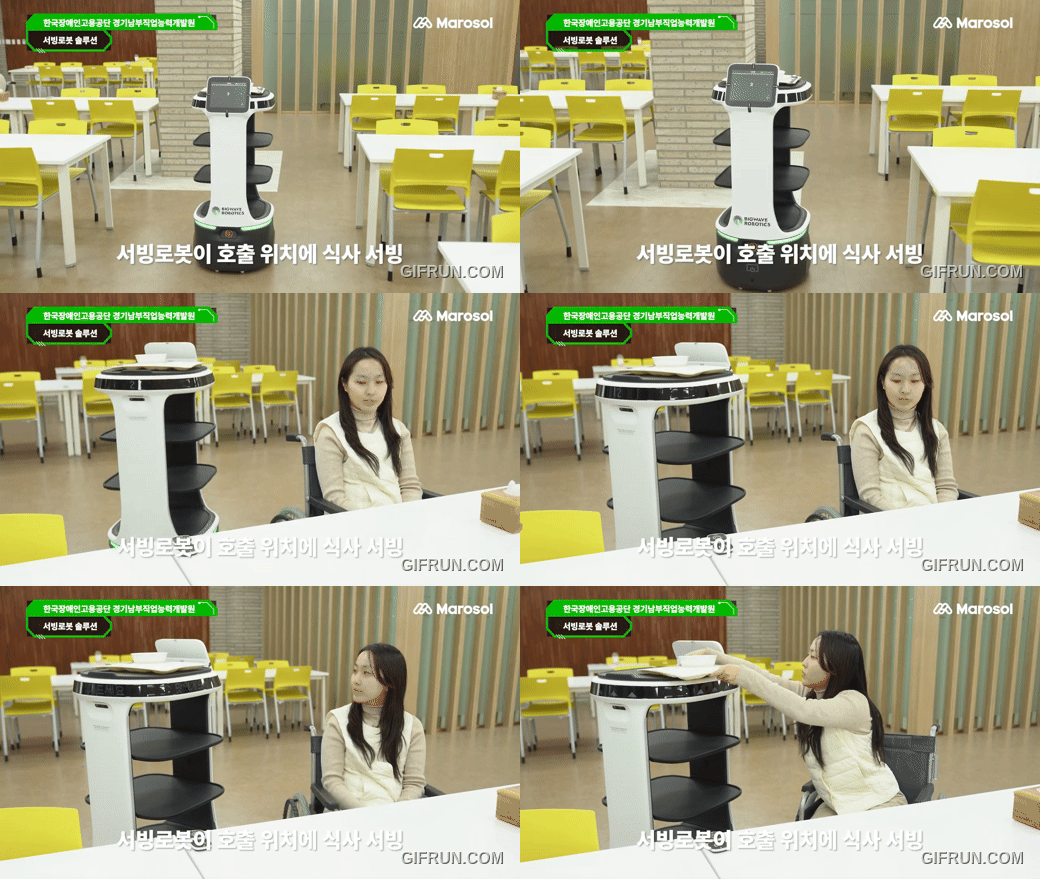
This case shows that even with a single serving robot, the concerns of the site regarding meal distribution for people with disabilities can be solved, and the tasks that people must do and the tasks that robots can take on can be clearly divided.
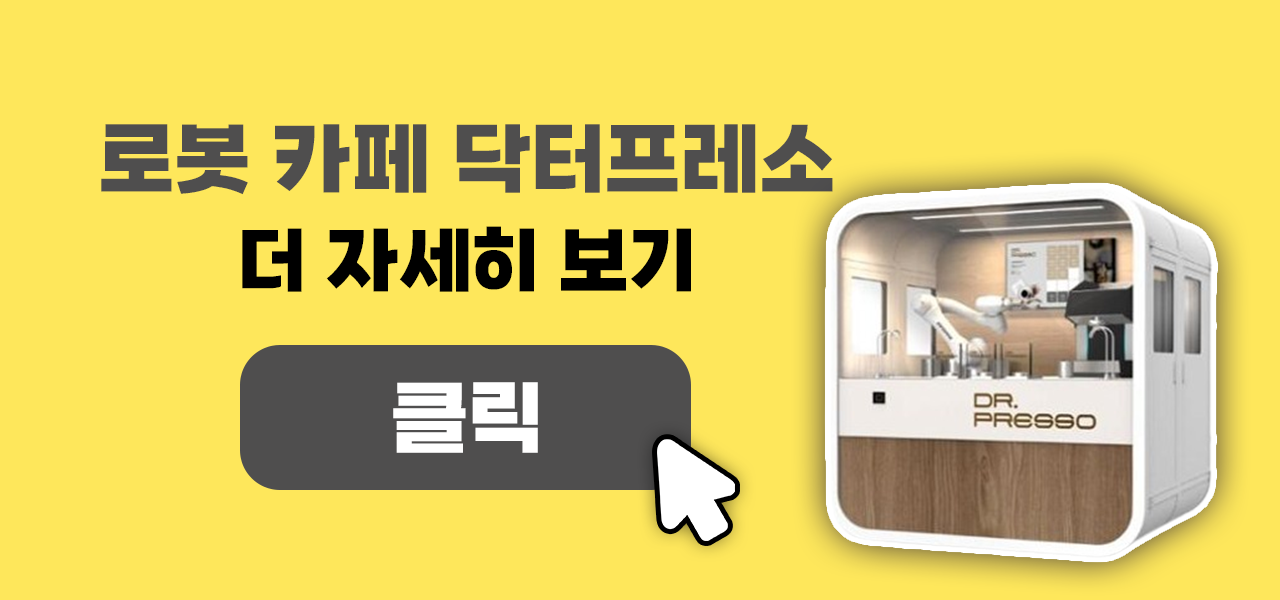
Case 2. ☕🤖 We changed the working environment in a cafe with disabled workers using barista robots and serving robots
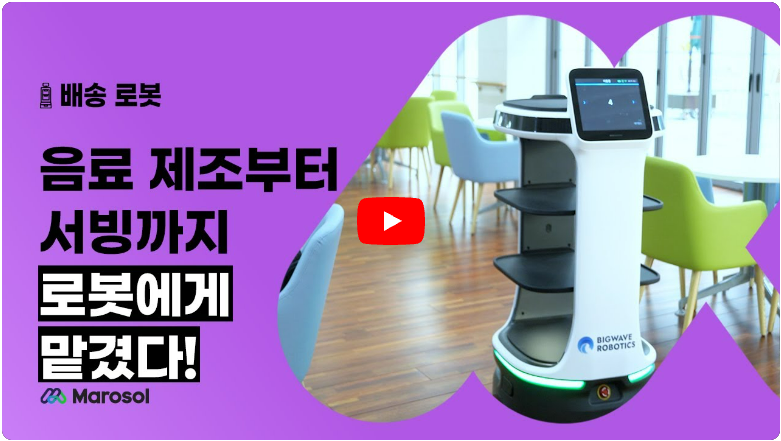 Click the thumbnail to view more details about the implementation case.
Taking orders, making drinks, and bringing them directly to the table… Cafe work is busier than you might think, and the movement routes are quite complex. Especially if it is a cafe where workers with disabilities work together, these repetitive moving tasks inevitably become a burden on both stamina and concentration.
The KEAD Gyeonggi Southern Vocational Competency Development Center cafeteria had similar concerns. This is a cafe within a public institution that supports vocational training and employment for people with disabilities, and it is a space where external visitors and internal users constantly come and go. As such, stable operation was important.
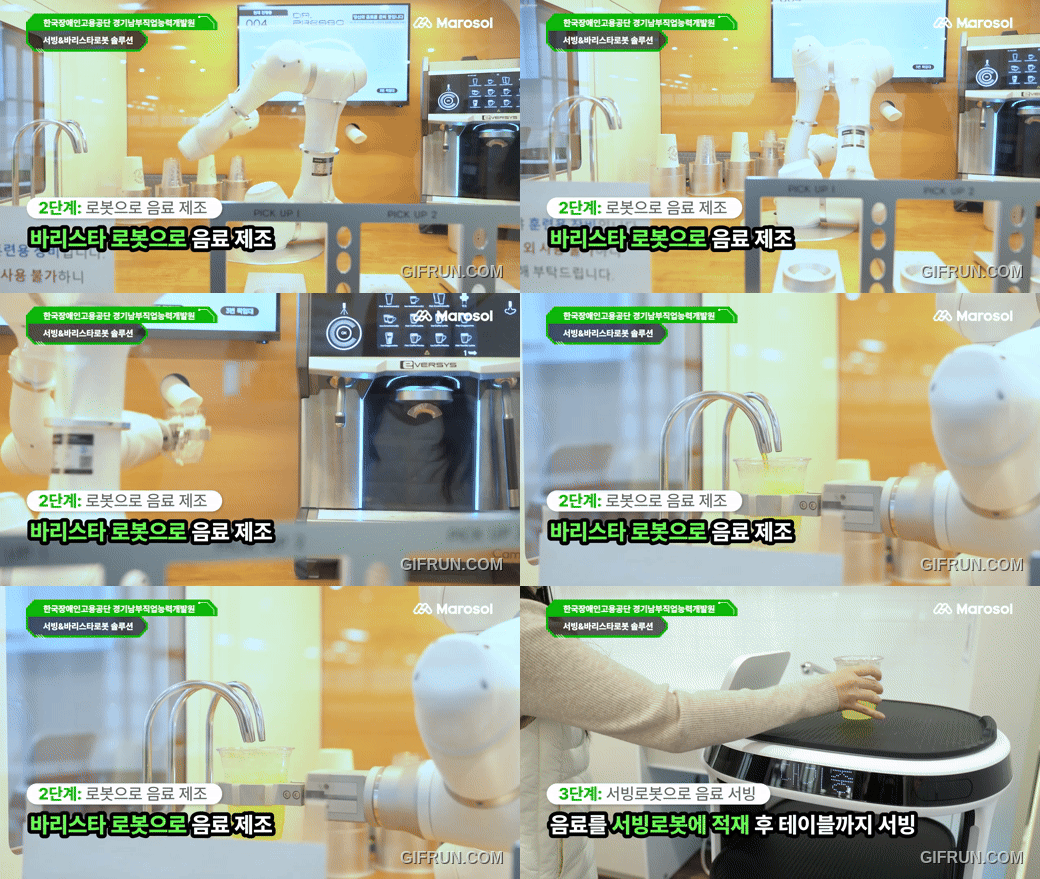
To solve these concerns, Marosol introduced two robot solutions together. One was a barista robot that makes coffee directly, and the other was a serving robot that delivers drinks to the table.
First, the ordering method, which is the starting point of cafe operation, was changed. A QR ordering system was built at each table so that when a customer selects a menu with a smartphone, the order is received non-face-to-face.
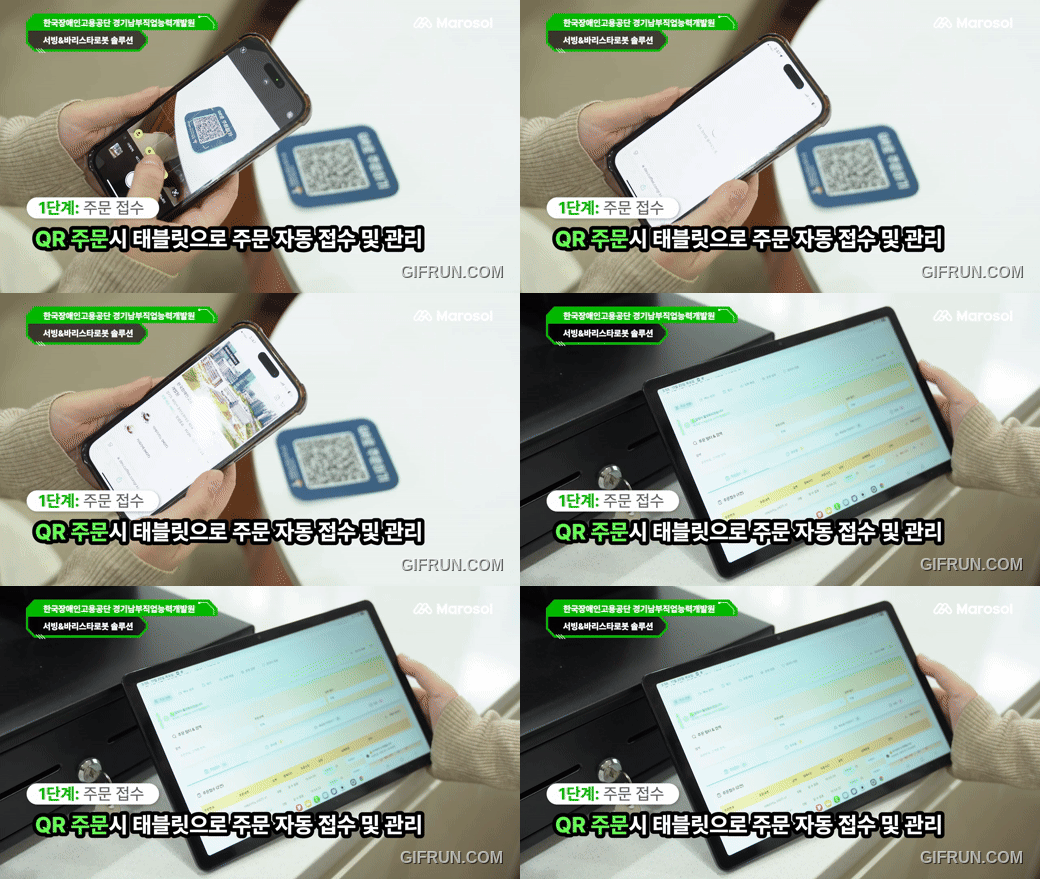
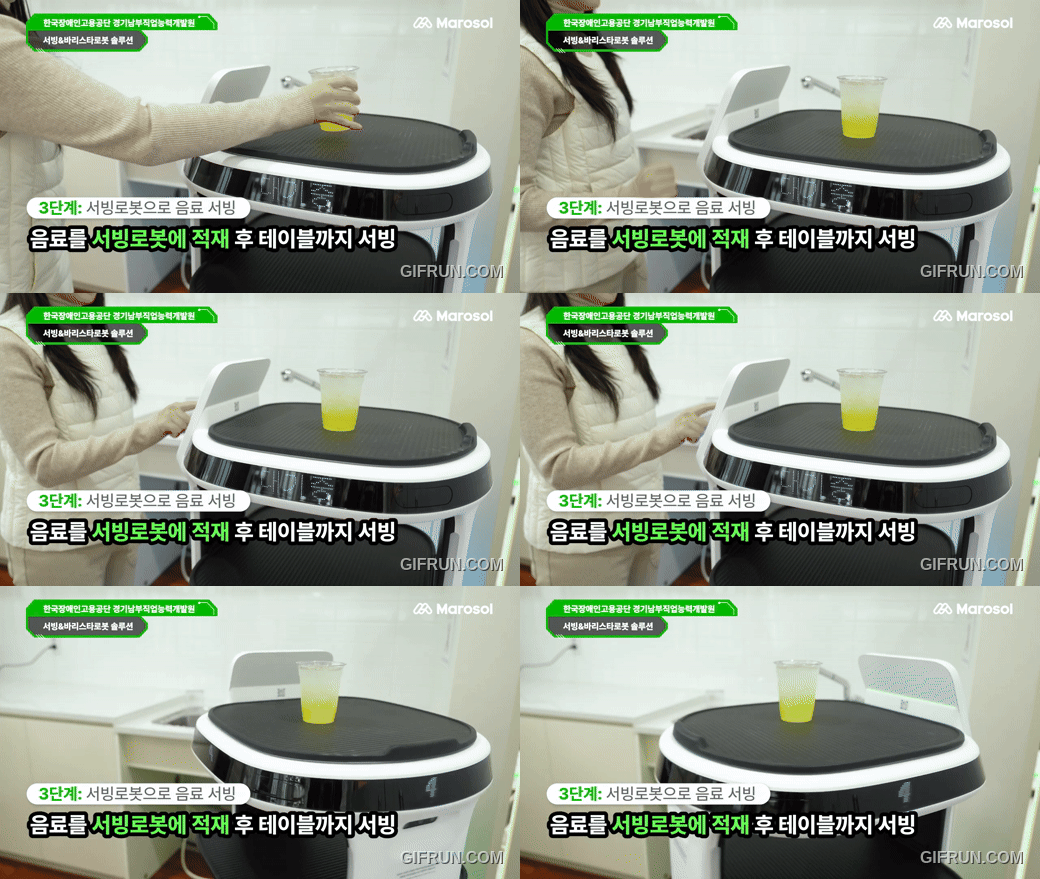
After the staff checks the order details and table number on the tablet, they enter the order into the barista robot kiosk. Then, the robot arm makes the coffee directly, and the staff just needs to place the finished drink on the serving robot tray.
Afterwards, the autonomous serving robot safely delivers the drink to the designated table. The customer only needs to receive the drink conveniently from the robot tray. In this way, the entire process of cafe operation from Ordering → Manufacturing → Transport has been automated around robots.
As a result, the site has changed like this. Staff have been freed from repetitive moving tasks and can focus more on order management and customer response, and as robots take over the movement routes, movement collisions between people within the narrow cafe have decreased, thus ensuring safety as well.
The biggest change, above all, was the working environment for workers with disabilities. As the burden of repetitive work decreased, work fatigue was alleviated, and job satisfaction and the will to work for a long time also increased. It means that the robot did not replace the work, but created an environment where people can work better.
For reference, Marosol’s robot integrated control platform SOLlink was also introduced to this site, designed so that multiple robots can be monitored on one screen and more efficient management is possible based on operation data.
Case 3. 🏃♂️🧭 Guidance Robot, going beyond the limits of elevators. We reduced the burden of finding paths with inter-floor linked guidance robots
Click the thumbnail to view more details about the implementation case.
Finding a path inside a building can often be more complex than you think. There are various people visiting, such as visitors, external instructors, students, and users with disabilities, and the process of finding the desired place while going up and down floors is naturally more difficult in an unfamiliar space. Especially if the facility is wide and movement between floors is frequent, it is a bigger concern.
At the KEAD Gyeonggi Southern Vocational Competency Development Center, intuitive guidance for users with disabilities was necessary, and there was a problem of a guidance vacuum occurring when using the elevator.
A discontinuous guidance structure where the robot on the arriving floor must start guidance again in front of the elevator
An easy guidance system was needed, but previously there were technical constraints that robots could not move together when boarding the elevator.
To solve these concerns, Marosol introduced an inter-floor linked guidance robot solution. Instead of simply installing one robot, a structure was designed where guidance robots are placed and linked on the 1st and 2nd floors respectively.
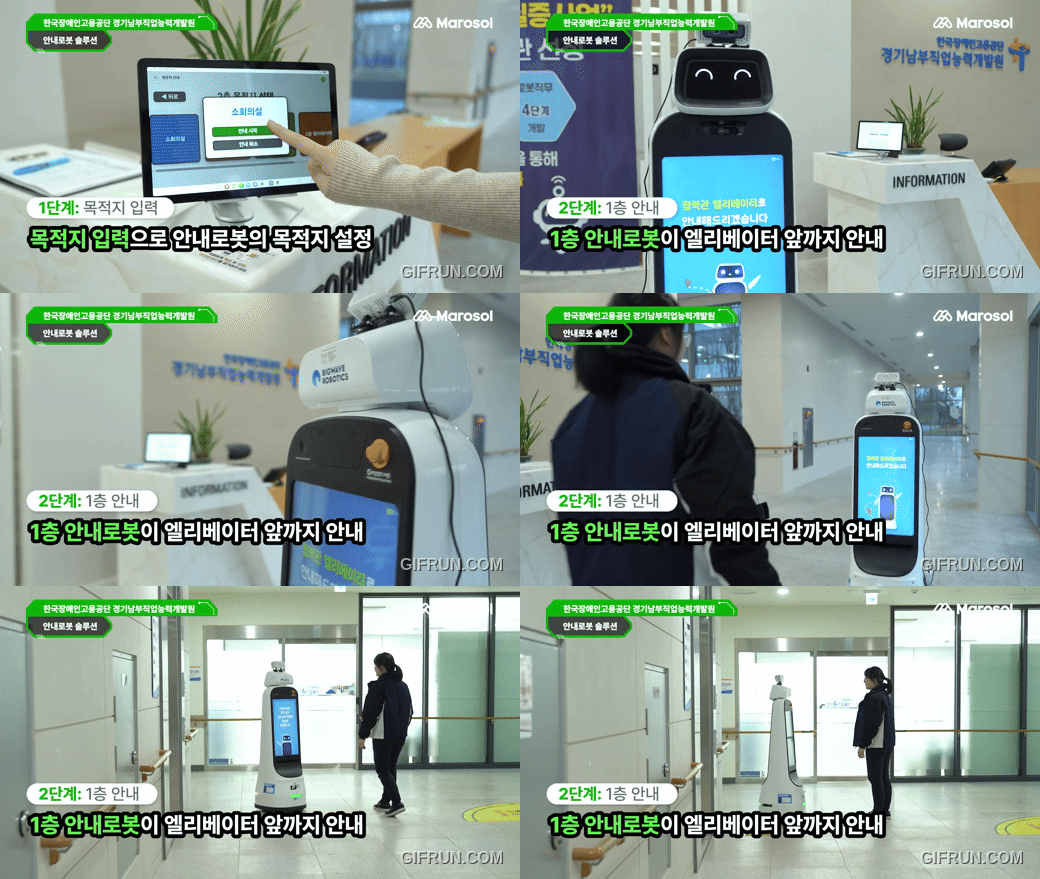
The robot does not board the elevator directly. Instead, inter-floor guidance is provided through a linkage method between the guidance robots waiting on each floor. For example, the flow is as follows:
First, when a visitor selects a destination (e.g., lecture room, office) at the 1st-floor desk, the guidance robot moves to the front of the corresponding elevator. Only the visitor boards the elevator and moves.
Upon arriving on the 2nd floor, the 2nd-floor guidance robot, which was already waiting, receives the visitor and guides them to the final destination.
In this way, continuous guidance became possible without the movement between floors being interrupted. This is a method that naturally solved the problem of robots boarding elevators, which was difficult due to technical limits.
As a result, the site has changed like this.
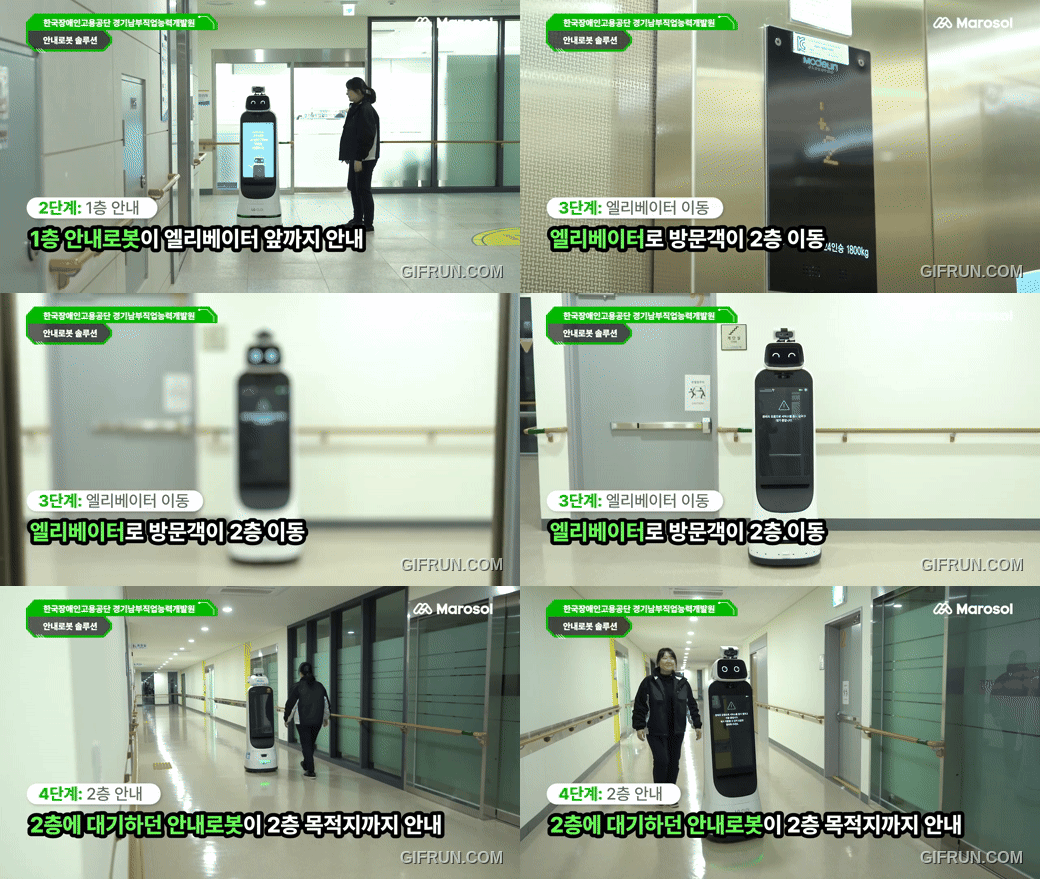
👣 Freed from repetitive guidance work, staff can focus on the moments when response is needed, and visitors have had a much more convenient facility use experience by receiving the necessary route guidance. Especially, thanks to the barrier-free control system where users with disabilities can also receive guidance based on voice and screen, they were able to have a more intuitive guidance experience.
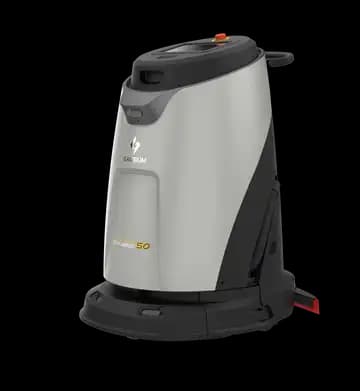
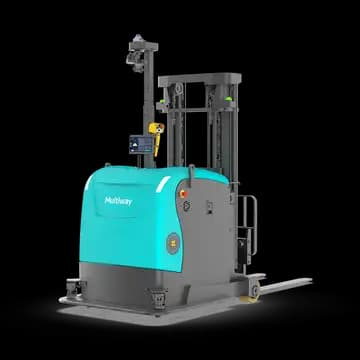
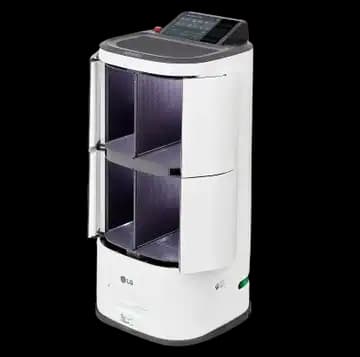
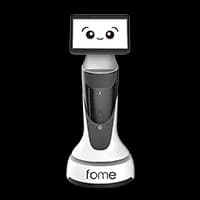
In addition to these robots, a total of 32 robots of 14 types, including cleaning robots, logistics robots, and care robots, were introduced to KEAD. Especially, SOLlink AOD (a modular expansion technology that adds AI functions to robots) was combined with the cleaning robots so that the robots can go beyond simply cleaning the floor and also watch over the safety of the site together.
Then, how does AOD detect a fall? It is not at the level of simply recognizing that “a person is lying on the floor.” AOD analyzes a person’s movement in a continuous pattern to distinguish between normal walking and abnormal actions.
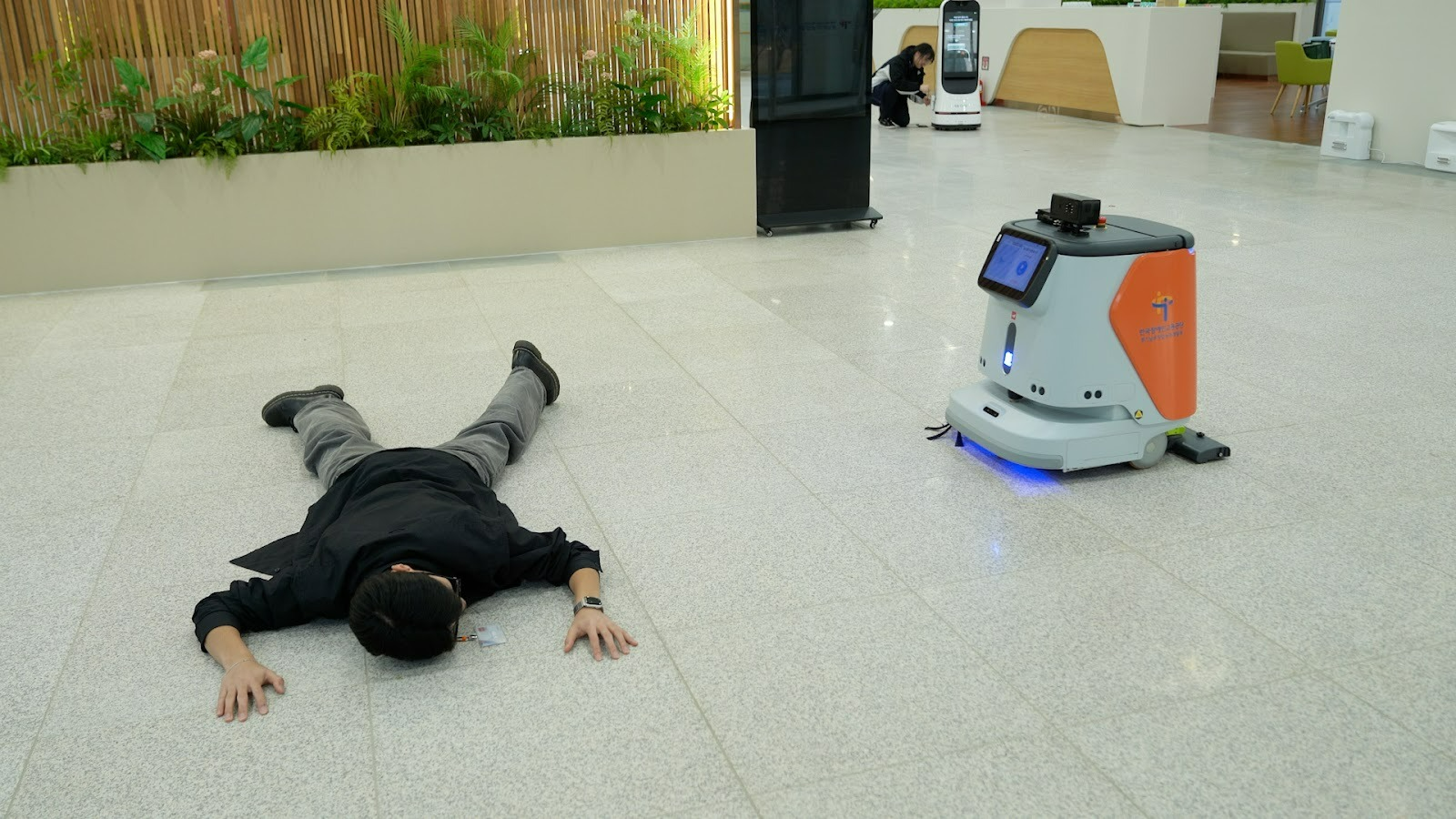
For example, in a situation like this: if a person walking suddenly loses balance and falls quickly to the floor, or if a state with almost no movement persists for more than a certain period of time afterwards, AOD judges this as a situation with a high possibility of a fall.
At this moment, a change occurs immediately at the site. A ‘Fall Detected’ message is displayed on the cleaning robot screen, and at the same time, the robot’s location, the point where the fall occurred, and real-time video information are transmitted to the SOLlink control screen. 📨
The manager can immediately check the situation and continue the necessary response quickly even without a separate report or request. Instead of the robot that was cleaning passing the site by chance, it means it is performing the role of intentionally monitoring safety.
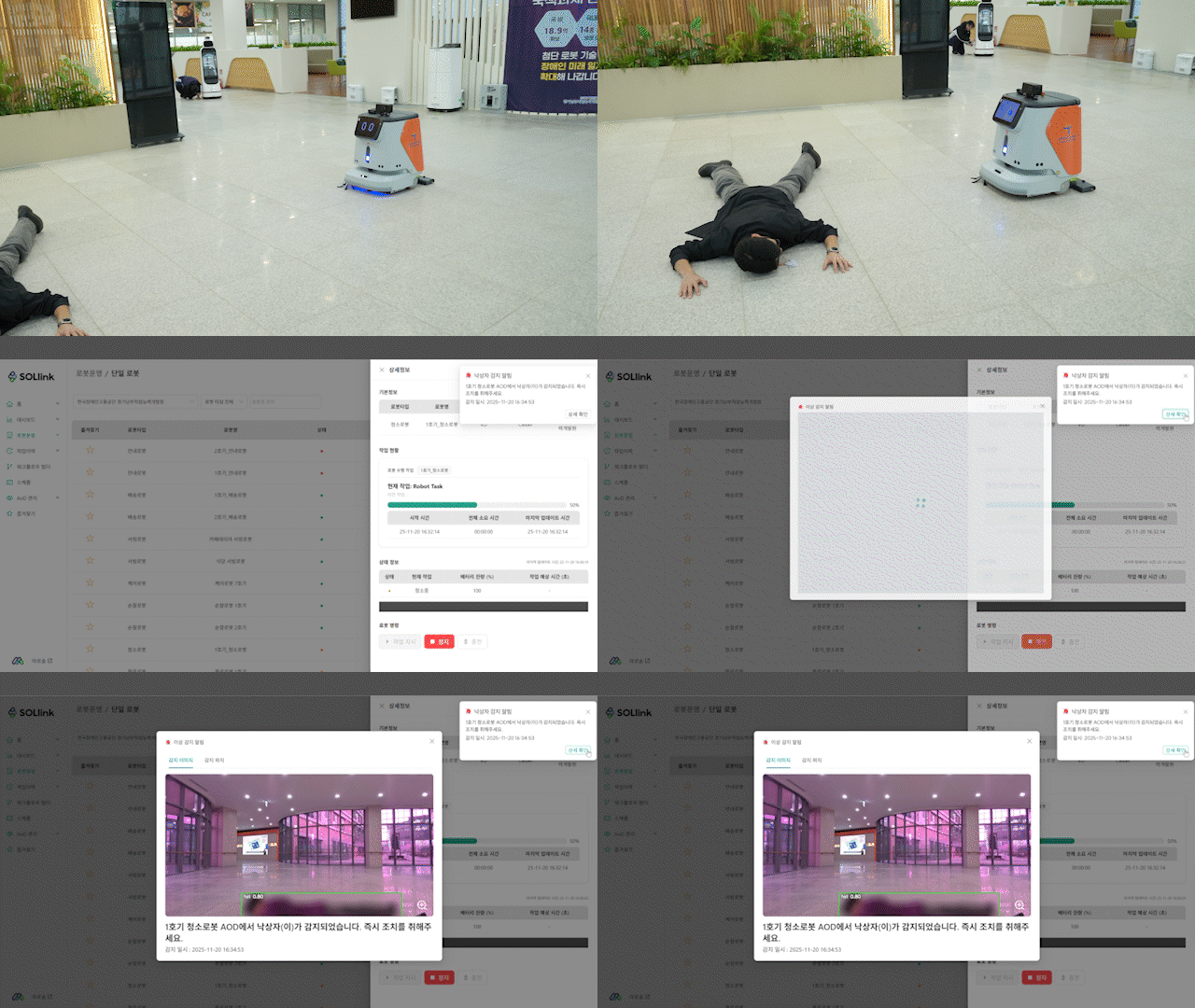
Thanks to this function, the cleaning robot is being utilized as a safety partner that guards the facility together, beyond simple automation equipment.
Especially in an environment for users with disabilities sensitive to fall accidents, such proactive detection and notification are a great help to site operators.
🤝 If you are worried about where to start robot automation, start step by step with Marosol
As in the cases we have looked at so far, robot automation is not just about bringing in one robot, but a process of designing the work flow of the site and the roles of people together. That is why Marosol is pondering together starting from the question “Where would it be better to automate?” rather than “Which robot should we buy?”
Starting with automation introduction consulting, at Marosol, you can compare major service robots, collaborative robots, and industrial robots with proven domestic and international technology in one place.
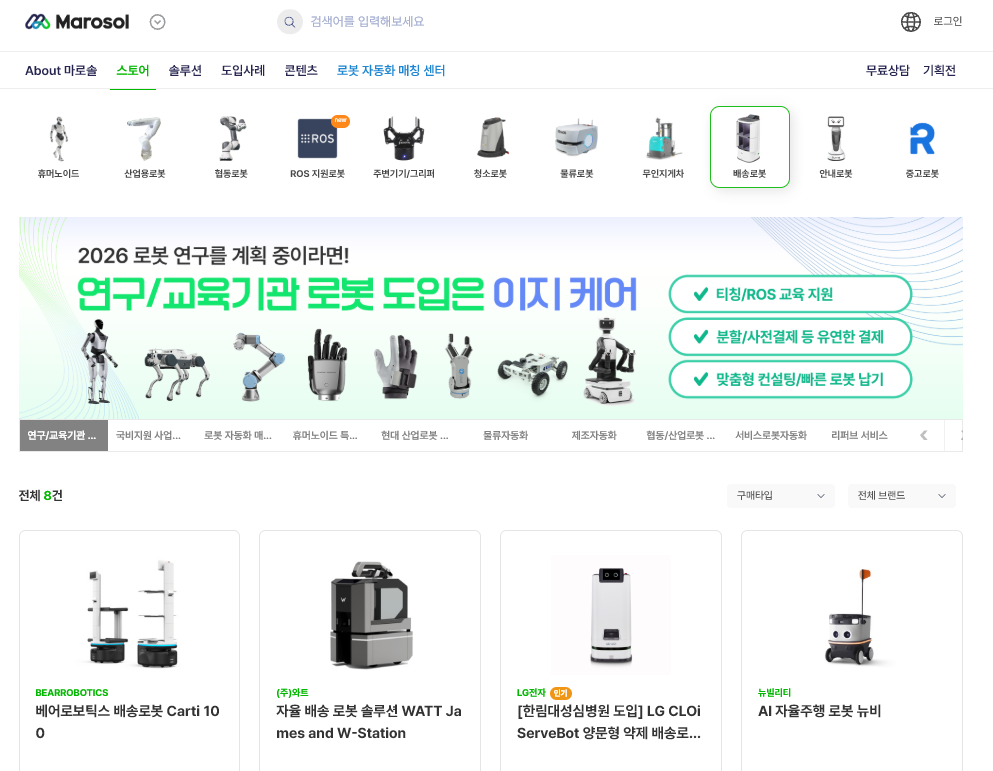 Marosol Store Page Screen
In addition, Marosol supports the entire process of automation, including Marosol’s unique special price benefits, teaching (robot setting) tailored to the site, and after-sales service that you can rely on even after introduction.
Also, based on a database of more than 400 robot suppliers and more than 20,000 automation cases, Marosol recommends robots and realistic automation processes that fit the industry, process, and budget.
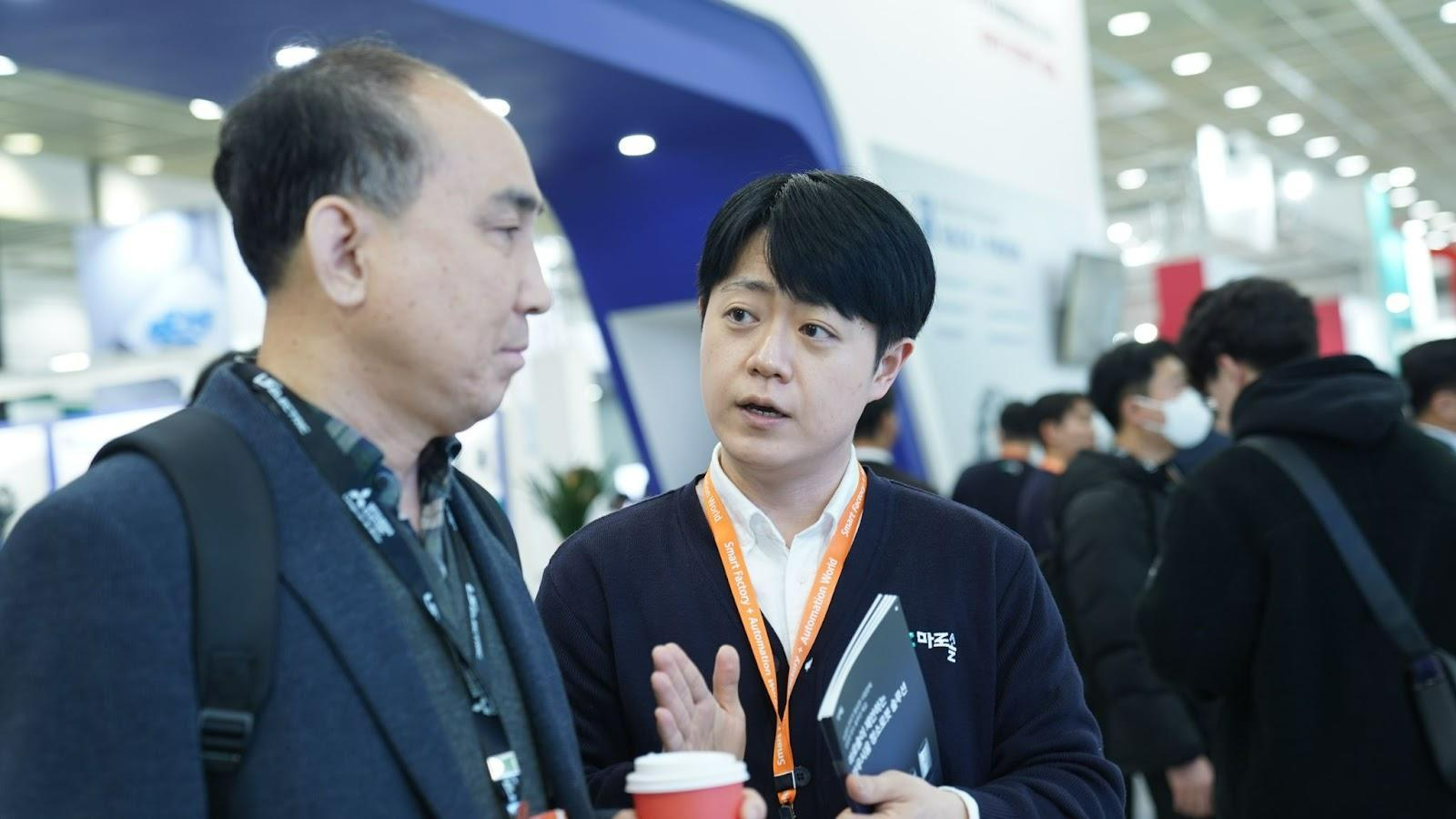
So, we can provide evidence-based answers to concerns such as:
“Would a robot fit our site?” “Is there an automation possible within the budget?”
If you are still wondering which robot would be most efficient for your site and where it would be better to start automation, please feel free to leave a story through [Get a Consultation] now. 👇
Readers also liked the following posts


Price Negotiation Available Now!
Additional discounts may be available depending on your needs.