





Process Overview
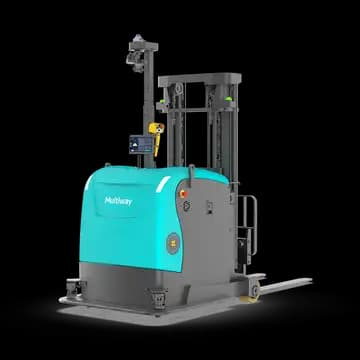
This case study demonstrates the automation of heavy-duty product transport using Omron AMR logistics robots.
The client implemented a logistics automation system to reduce inefficiencies and labor burdens associated with repetitive, heavy logistics tasks. Specifically, they sought to reduce costs and maximize logistics efficiency through automated palletizing and return operations.
This solution automates simple, repetitive tasks like product movement and loading, thereby increasing the efficiency and accuracy of the shipping process and reducing worker burden, thereby enhancing safety and productivity.
Project Background and Objectives
The client recognized the need for automation in heavy cart transport and lead tab return operations and sought to improve logistics operational efficiency and reduce operating costs by introducing AMRs.
This project aimed to:
- Automating lead tab return and cart transport
- Improving worker productivity and ensuring safety
- Enhancing efficiency and flexibility in the logistics field
Components
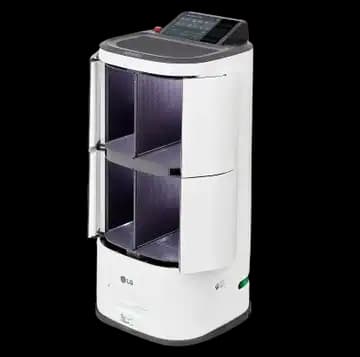
| Robot | Omron AMR logistics robot LD-90: Moves autonomously while avoiding obstacles, equipped with a two-row conveyor, and loads and returns up to 6 lead tab trays. ; Omron AMR logistics robot LD-250: Equipped with a lift, transports up to 64 lead tab trays by combining with a cart, and moves autonomously to the destination after automatically recognizing the cart. |
|---|---|
| Peripherals | Robot upper module: Customization for tasks is possible, and productivity is increased by automatically processing repetitive tasks. ; Robot station: Loads the cart to be transported by the robot to support stable logistics return. ; Composite inspection machine: Inspects the trays returned by the robot, and automatically detects defective products. ; Buffer conveyor: Loads the trays after inspection, and provides a buffer to help workers load the cart. ; Tray cart: Up to 64 trays can be loaded, and is transported by LD-250. |
Workflow
| STEP 1. | Calling the operator: Click the button → Receive command to move LD-90 → Autonomous driving to the designated location |
|---|---|
| STEP 2. | Tray loading: Manually load trays onto the LD-90 conveyor → Return to the composite inspection machine |
| STEP 3. | Inspection task: Inspector docking → Tray inspection → Buffer conveyor loading after inspection |
| STEP 4. | Cart loading: The worker manually loads the tray onto the cart. |
| STEP 5. | Cart transport: Call LD-250 → Cart automatically recognized and transported |
| STEP 6. | End of work: The robot automatically returns to the waiting area after work. |
※ The content provided by Bigwave Robotics is protected under U.S. and Canadian copyright and intellectual property laws. Unauthorized reproduction, distribution, or use of this content is strictly prohibited.
Recommended Use Cases

T11 Standard Pallet Transport using Twinny NarGo 100
This logistics automation solution utilizes two Twinny NarGo 100 AMRs equipped with advanced collision avoidance to transport incoming component pallets to subsequent processing areas. Twinny's NarGo 100 solution features triple-layer safety sensors and autonomous driving technology, allowing it to operate safely in any factory environment—even those with complex layouts and high pedestrian traffic. In the previous manual process, after forklifts unloaded parts at the receiving dock, downstream workers had to leave their stations to retrieve the pallets. This resulted in significant process wait times and idle periods. By implementing autonomous robots, components are transported directly to the internal workstations immediately after arrival. This minimizes "external setup time" (non-value-added transport time) and substantially boosts overall productivity.

Plastic Injection Molded Part Transport using Twinny NarGo 100
This logistics automation solution utilizes the Twinny NarGo 100 AMR to automate the transport of large plastic injection molded products to subsequent process stages. Equipped with triple safety sensors and advanced autonomous driving technology, Twinny's NarGo 100 performs tasks safely even in factories with complex layouts and high worker traffic. Previously, transporting heavy workpieces weighing around 100kg to a distant finished goods warehouse was time-consuming, causing idle time in processing and reducing productivity due to worker fatigue. Since implementing the autonomous robot, continuous processing has become possible, and worker fatigue has been significantly reduced, leading to an overall boost in productivity.

500kg Heavy-Duty Lift AGV: Automated Logistics Solution
This logistics automation solution utilizes Sammi AGV's 500kg heavy-duty lift-type AGV to transport high-payload materials. Based on highly reliable drive unit design expertise, Sammi AGVs ensure stable driving performance and excellent traction. The system is designed for ease of use, featuring Excel-based programming that allows users to control and modify paths effortlessly. Furthermore, its low-voltage, high-efficiency design minimizes downtime associated with battery charging and replacement, enabling extended operation hours.
Process Overview
This case study demonstrates the automation of heavy-duty product transport using Omron AMR logistics robots.
The client implemented a logistics automation system to reduce inefficiencies and labor burdens associated with repetitive, heavy logistics tasks. Specifically, they sought to reduce costs and maximize logistics efficiency through automated palletizing and return operations.
This solution automates simple, repetitive tasks like product movement and loading, thereby increasing the efficiency and accuracy of the shipping process and reducing worker burden, thereby enhancing safety and productivity.
Project Background and Objectives
The client recognized the need for automation in heavy cart transport and lead tab return operations and sought to improve logistics operational efficiency and reduce operating costs by introducing AMRs.
This project aimed to:
- Automating lead tab return and cart transport
- Improving worker productivity and ensuring safety
- Enhancing efficiency and flexibility in the logistics field
Components
| Robot | Omron AMR logistics robot LD-90: Moves autonomously while avoiding obstacles, equipped with a two-row conveyor, and loads and returns up to 6 lead tab trays. ; Omron AMR logistics robot LD-250: Equipped with a lift, transports up to 64 lead tab trays by combining with a cart, and moves autonomously to the destination after automatically recognizing the cart. |
|---|---|
| Peripherals | Robot upper module: Customization for tasks is possible, and productivity is increased by automatically processing repetitive tasks. ; Robot station: Loads the cart to be transported by the robot to support stable logistics return. ; Composite inspection machine: Inspects the trays returned by the robot, and automatically detects defective products. ; Buffer conveyor: Loads the trays after inspection, and provides a buffer to help workers load the cart. ; Tray cart: Up to 64 trays can be loaded, and is transported by LD-250. |
Workflow
| STEP 1. | Calling the operator: Click the button → Receive command to move LD-90 → Autonomous driving to the designated location |
|---|---|
| STEP 2. | Tray loading: Manually load trays onto the LD-90 conveyor → Return to the composite inspection machine |
| STEP 3. | Inspection task: Inspector docking → Tray inspection → Buffer conveyor loading after inspection |
| STEP 4. | Cart loading: The worker manually loads the tray onto the cart. |
| STEP 5. | Cart transport: Call LD-250 → Cart automatically recognized and transported |
| STEP 6. | End of work: The robot automatically returns to the waiting area after work. |
※ The content provided by Bigwave Robotics is protected under U.S. and Canadian copyright and intellectual property laws. Unauthorized reproduction, distribution, or use of this content is strictly prohibited.