




Industrial Robots vs. Collaborative Robots: Know the Exact Differences Before You Adopt!
1 min read0518
Collaborative / Industrial / Difference / Factory Automation / Robot Arm
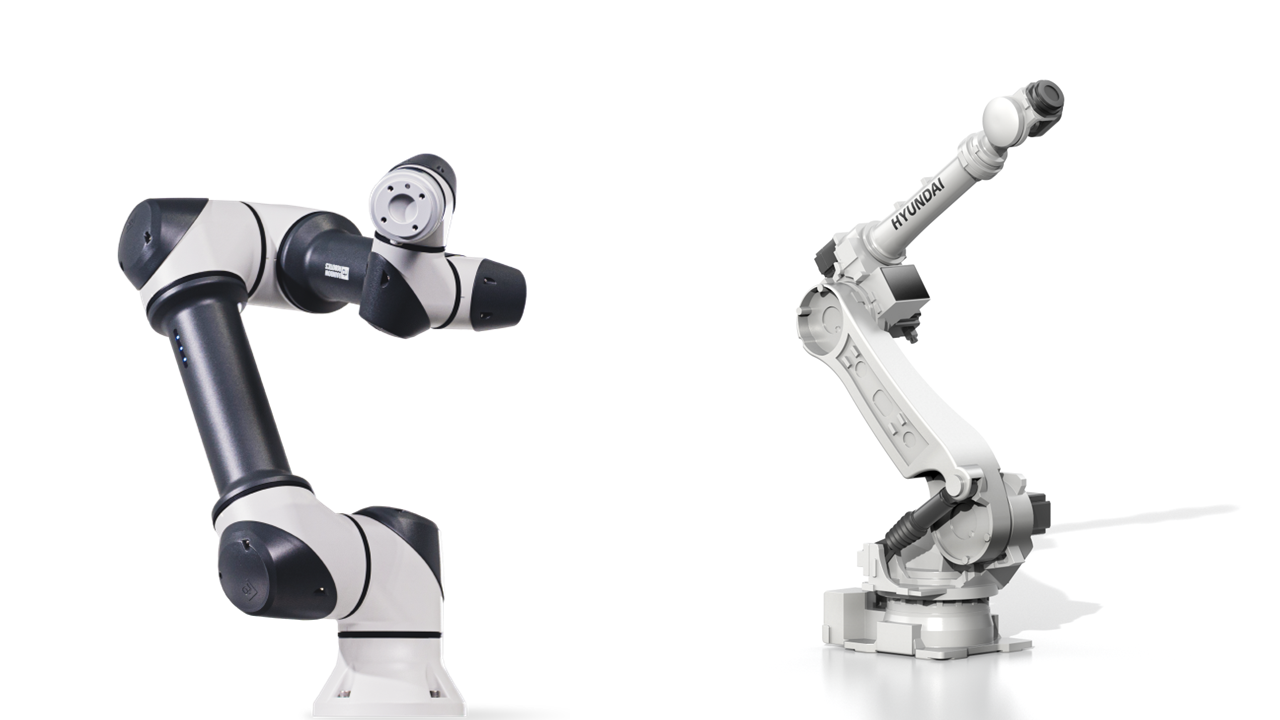
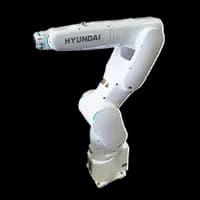
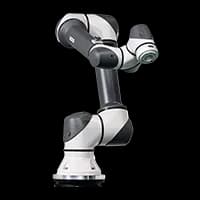
Can you see the difference between these two robots? The one on the left is a collaborative robot, and the one on the right is an industrial robot. These two differ in everything from their purpose and functions to their specific strengths. If you introduce a robot without knowing these differences, you could end up facing a huge loss.😰
Today, we’ve invited Marosol’s robot expert, Brian, to explain the differences between these two robots—which might just look like "robot arms" to the untrained eye—in a simple and easy-to-understand way.😎
Q1. Hello Brian! Even to me, the two robots don't look that different. Are they really that distinct?
Yes, absolutely. These two robots were designed for entirely different purposes from the start. First, the biggest difference between a collaborative robot and an industrial robot is whether or not it can work alongside humans.
Collaborative robots are designed to work with people, while industrial robots are designed to operate independently without humans. Because of this, the type of work they perform and their operating intensity differ.
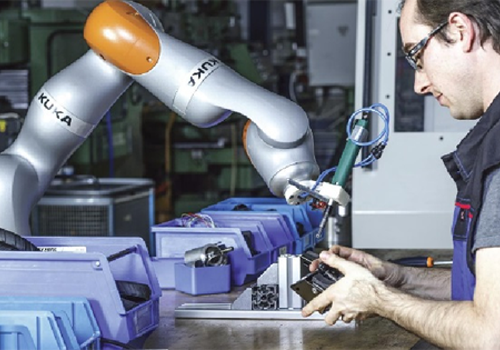
Collaborative perform tasks that might be somewhat dangerous, physically demanding, or boring for employees. They help create a safer and more efficient workspace without excluding tasks related to actual product manufacturing.
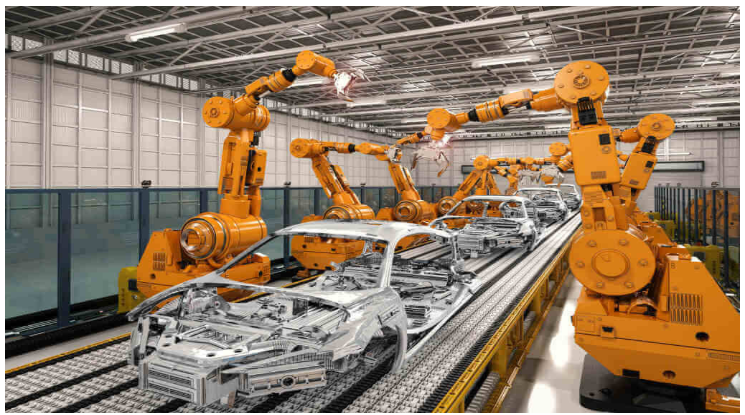
On the other hand, industrial robots focus on automating manufacturing processes on-site, aiming to build a manufacturing environment where no humans are needed. This allows workers to avoid high-intensity labor and reduces the risk of injury from repetitive motions, letting them focus on more meaningful work.
Q2. So the biggest difference is whether it can work with people. Can you give us some examples to make it easier to visualize?
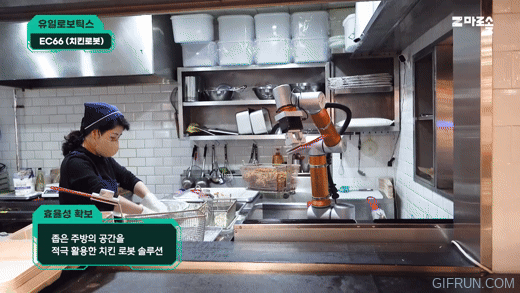
First, collaborative robots can replace repetitive and dangerous tasks right next to a person. For example, in a chicken frying process, if a person handles the battering, the collaborative robot can take over the job of frying it in oil.
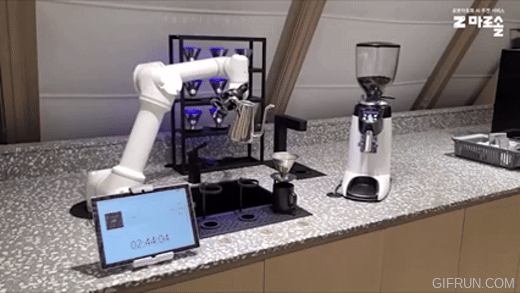
They are also capable of precise tasks like water adjustment, meaning they can even make drip coffee. With delicate movements, they can manufacture coffee with a consistent taste and even vary the flavor based on how they are "taught."

Click to watch a more detailed video.
On the other hand, industrial robots perform all manufacturing processes in a factory without human assistance. Therefore, they are designed to handle work intensities that humans cannot perform or to lift large, heavy objects. Because of this, safety fences are absolutely necessary to prevent humans from entering the robot's working range.
One of the most common processes for industrial robots is palletizing. You can see them stacking 108 beverage boxes (9 layers of 12 boxes each), each weighing 40kg—which is difficult for a human to lift—in less than 3 minutes.
Q3. Seeing the introduction cases makes it very clear! Are there other differences?
The difference also appears in the programming process. Collaborative robots have a much simpler programming procedure than industrial robots. A worker can simply move the collaborative robot along the desired path and save it. Through this process, the collaborative robot can "remember" the new motion and repeat it on its own.
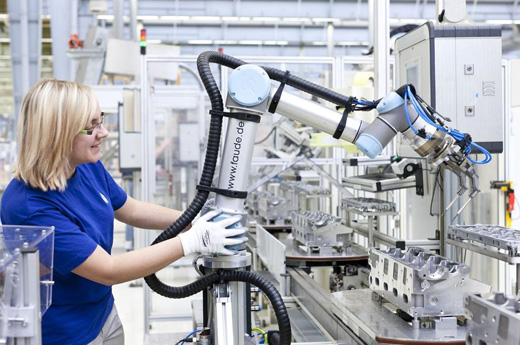
However, because collaborative robots work with people and usually don't have separate safety fences, they cannot move large, heavy objects or operate as fast as industrial robots.
In contrast, industrial robots cannot be reprogrammed so easily; an engineer must write new code to apply process changes.
Q4. I didn't know the programming for collaborative robots was that simple. Their range of use must be very wide!
Yes, that’s right. Collaborative robots are active in everything from the food industry to medical sites. Furthermore, when combined with advanced ICT like AI and machine learning, next-generation intelligent tasks become possible. For example, robots can be developed to assist chefs in the kitchen or even conduct an orchestra.
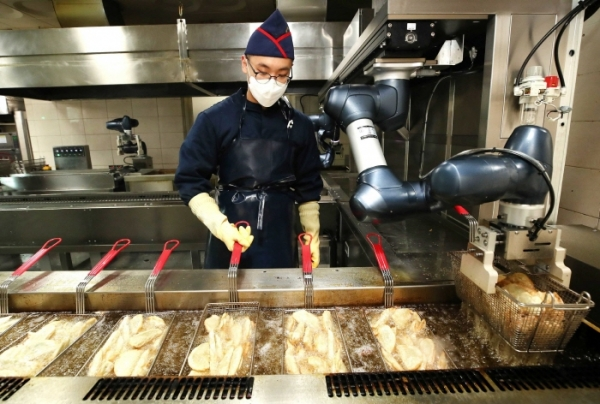
With low birth rates and aging populations becoming global issues, collaborative robots are emerging as an alternative to solve these problems. Small and medium-sized enterprises (SMEs) suffering from chronic labor shortages can boost productivity by introducing collaborative robots, which are cheaper than traditional industrial robots. Large corporations can also generate profit by using collaborative robots to bring factories back to countries with high labor costs.
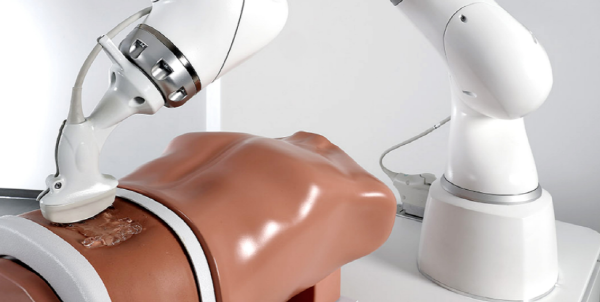
Q5. I see the utility and benefits, but I imagine many companies hesitate because of the high initial cost.
While collaborative robots are generally lower in price than traditional industrial robots, the burden is still high for SMEs. Also, robots don't easily qualify for financial products like leasing or rentals, so many companies just keep worrying and postpone the introduction.

Click the banner to see more details about the benefits.
To eliminate anxiety over high initial investment costs and opaque technical support, we have planned a bold promotion!🎉 It’s called the ‘Marosol Industry-Lowest Special Price & Technical Support’ promotion. As the name suggests, the core of this promotion is providing robot units at the industry's lowest price to SI and demand companies, while providing top-tier technical teaching support from robot experts.😉
Finally, Robot Lowest Prices are Possible 💰
Marosol can sell robots at the industry's lowest price because we directly purchase domestic and international industrial and collaborative robots in bulk, eliminating middle distribution steps and minimizing our profit margin. To solve the price issue—the biggest concern for companies—Marosol developed robot financial products for the first time, allowing robots to be purchased via leasing, rental, or 12-month interest-free installments.
Marosol made this decision because we value "the popularization of robots" and "a virtuous cycle in the robot ecosystem."😊

Marosol robot expert conducting a consultation at the 2024 SFAW exhibition
Buy with Peace of Mind, Technical Support Included
When you inquire about a robot purchase at Marosol, we immediately assign a 1:1 robot expert. This ensures you receive accurate information quickly. Once the consultation is finished and you purchase a robot, we provide technical teaching support for that specific brand to ensure a perfect transition from introduction to installation.
Marosol houses robot experts with over 40 years of outstanding capabilities in manufacturing automation, allowing us to provide customized solutions for various industries (food, beverage, chemical, pharmaceutical, etc.).😉
This is a golden opportunity to get certified domestic and international robots—such as those from Hyundai Robotics, Yaskawa, and Doosan Robotics—at the industry's lowest price with expert technical support!😎
Marosol is available for consultation anytime. Please contact us at 080-858-5050 at your convenience, or click the image below to visit the Marosol website and leave an inquiry. We will assist you as quickly as possible!🥳
👇👇👇

Click the banner to see more details about the benefits.
Readers also liked the following posts


Price Negotiation Available Now!
Additional discounts may be available depending on your needs.